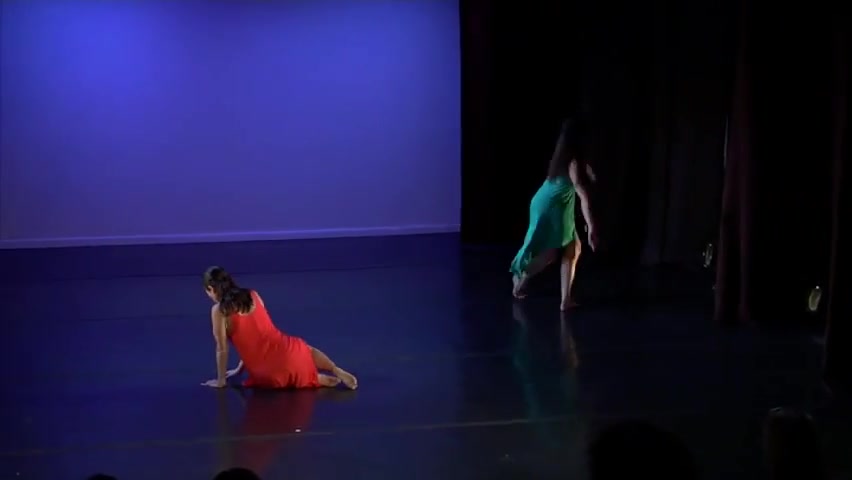
 6min 15sec Original Jucovy works
 Alone (Do you Hear Us)?
Alone (Do You Hear Us?)
Curated footage spanning 35 years of performance
6min 15sec Original Jucovy works Alone (Do You Hear Us?)
 2min 22sec
 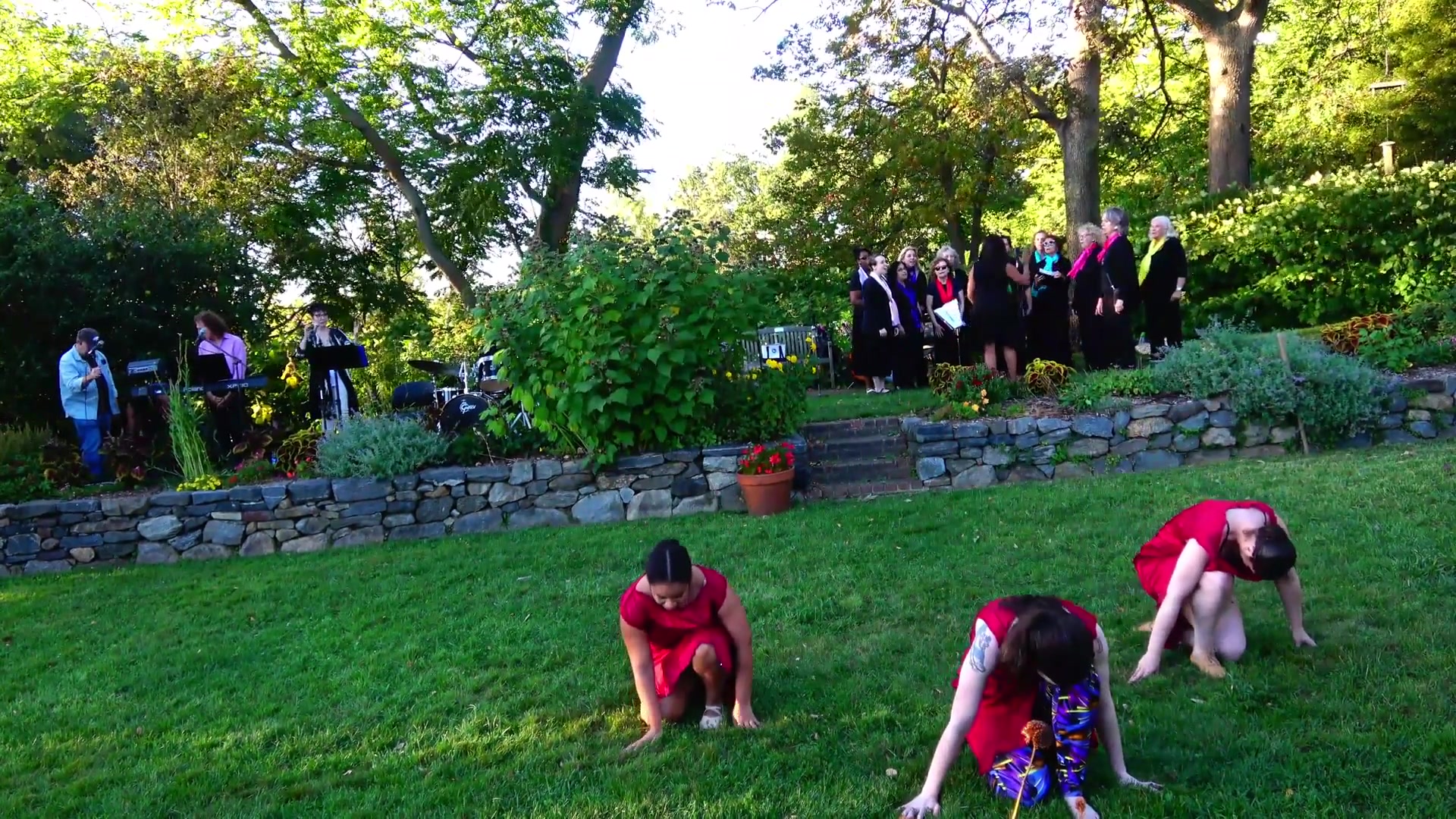 2min 26sec Other Contemporary works
 The Body Resilient
 1min 7sec Isadora Duncan Repertory
 Duncan Dance at Academy of Art
 10min 32sec
  1:17:25
  36min 46sec
 Colorsong Universe
 1:22:39
 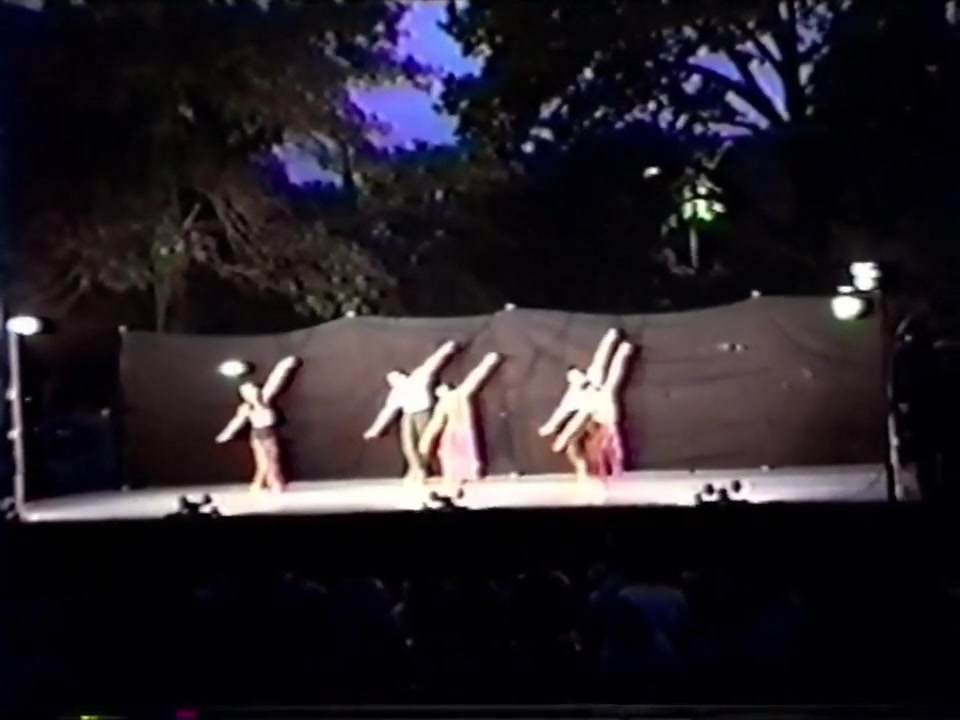 1:29:37
 Dance Visions at Grace Ave Park
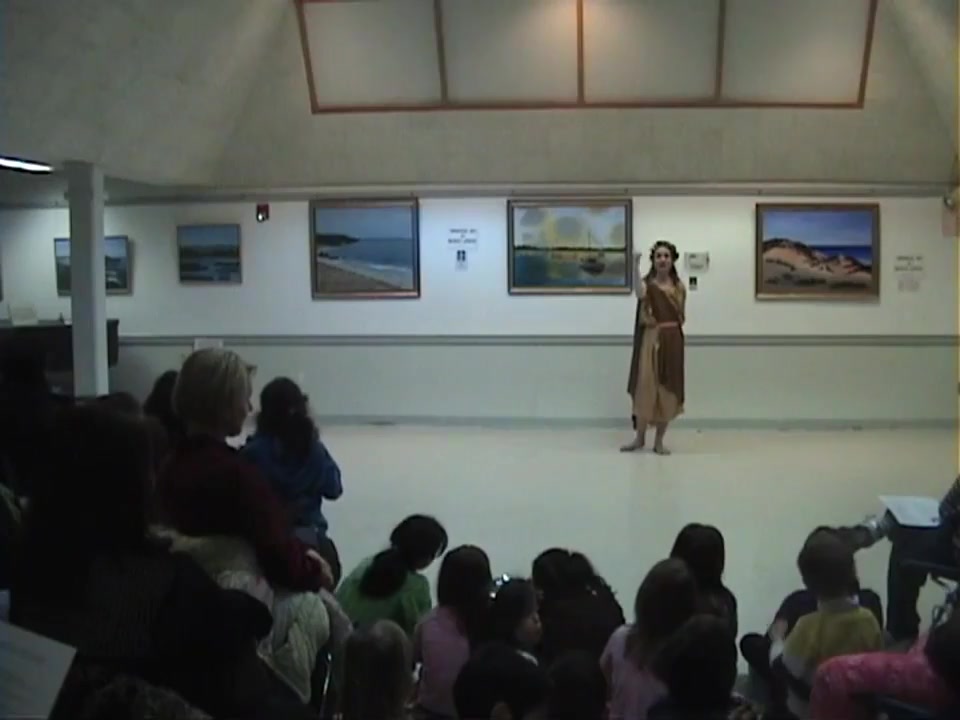 48min 2sec
 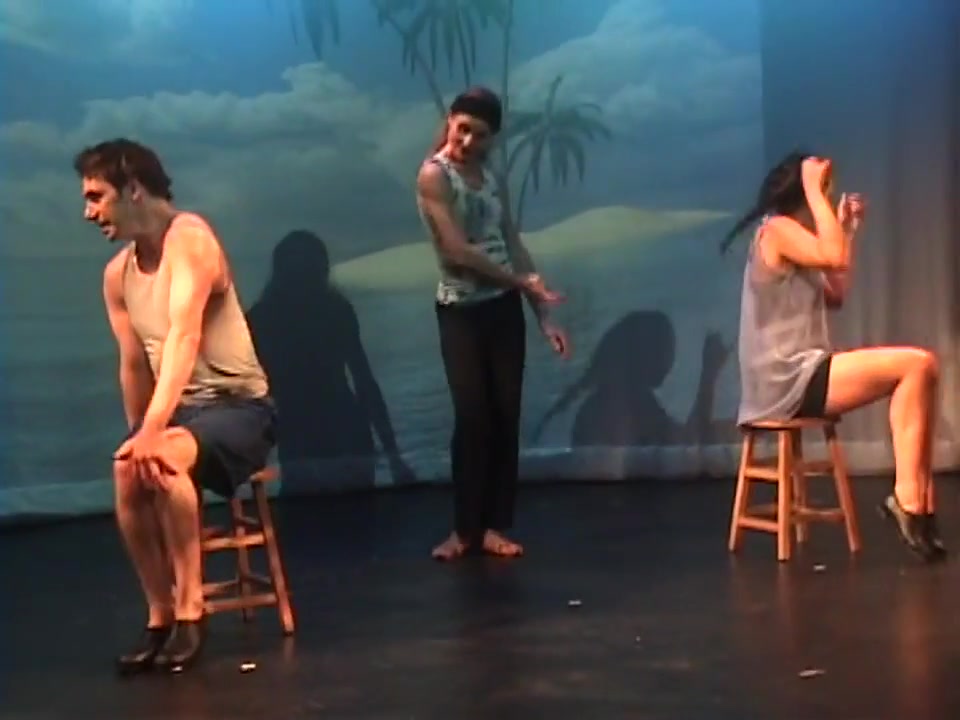 42min 10sec
 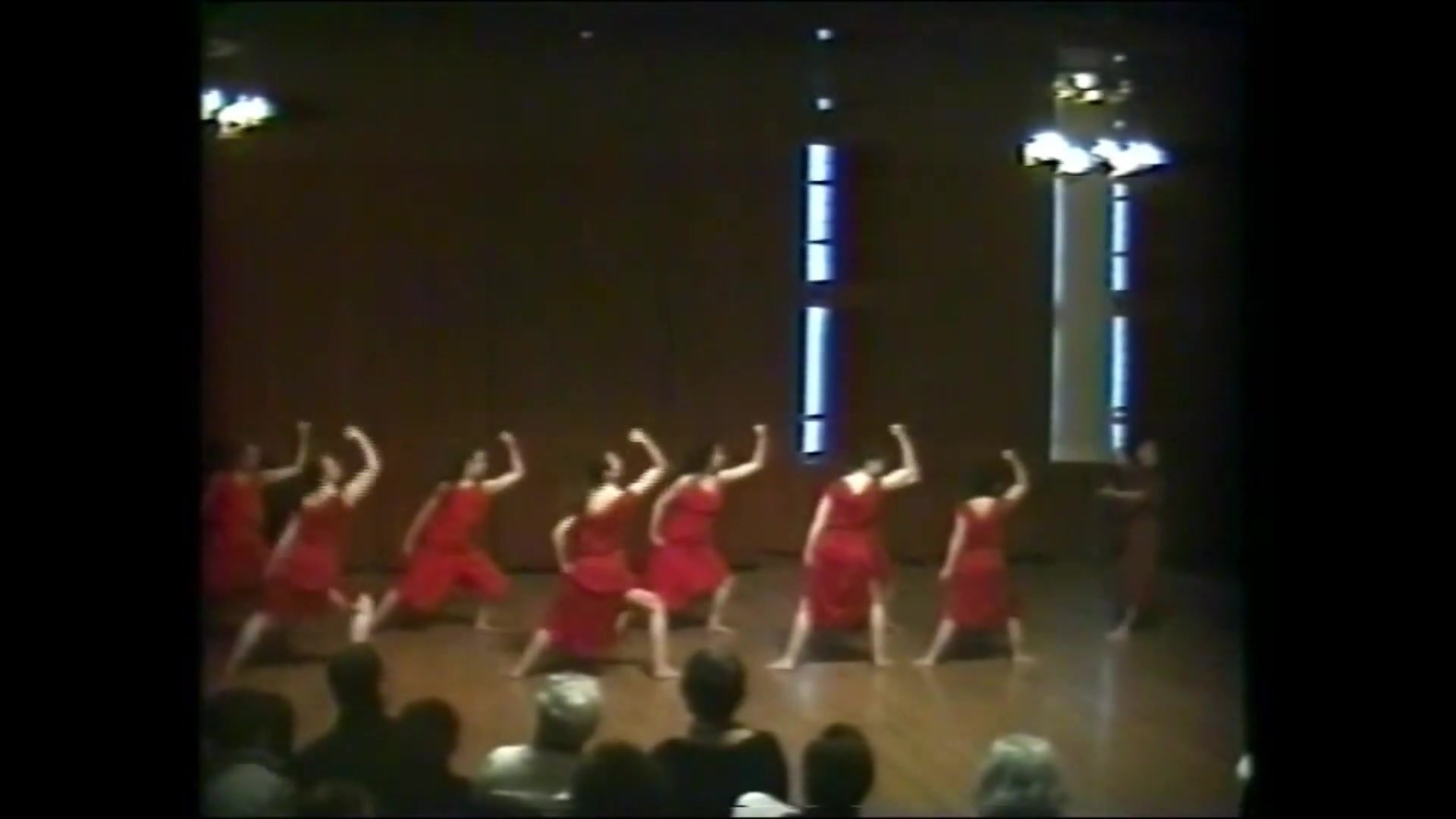 1min 16sec
  4min 57sec
  2:53:54
 Duncan Dance Continuum at Holy Trinity 1994
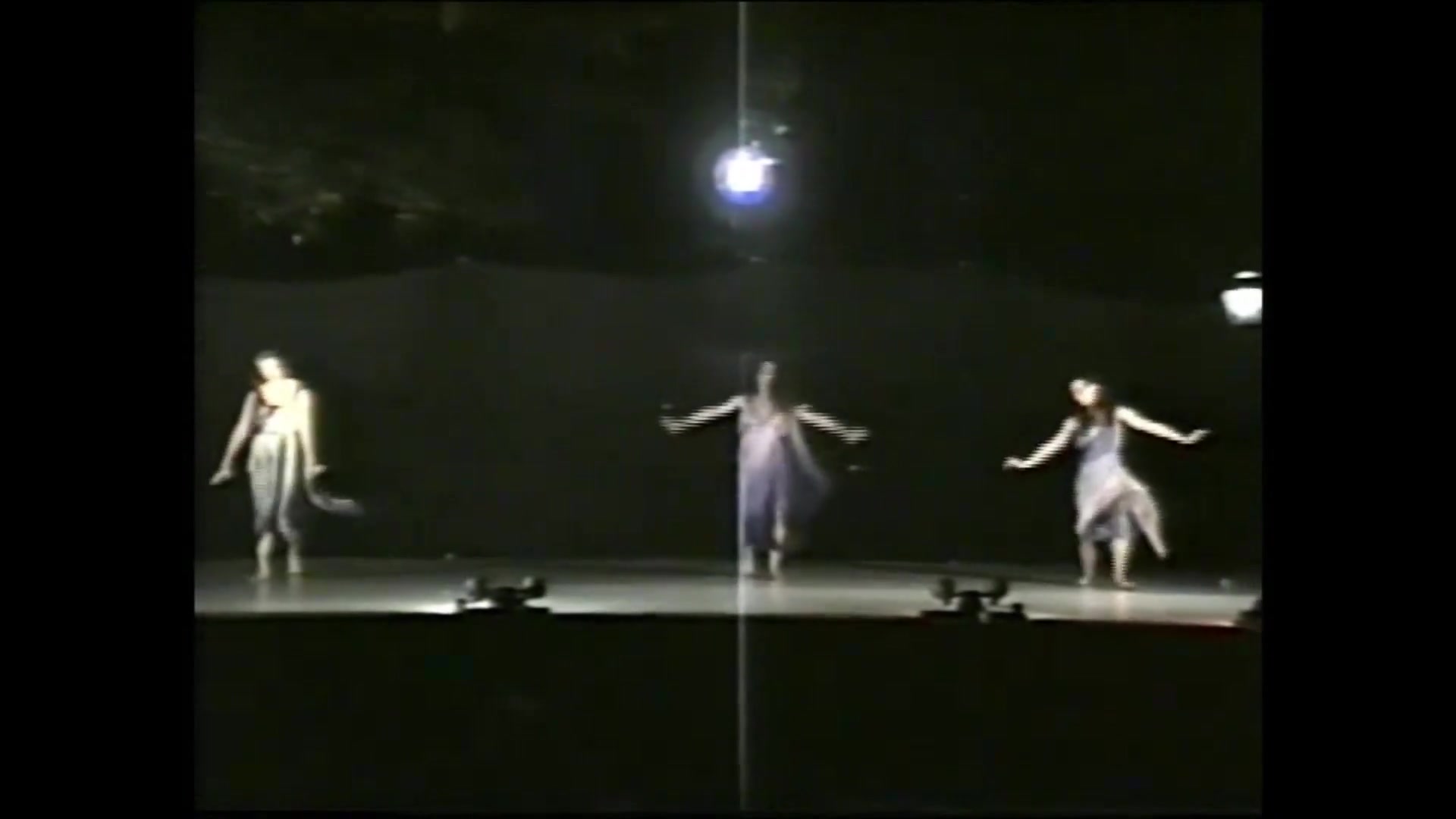 18min 28sec
  30min 15sec
 Earth Trilogy, Fast Forward for Greenspace
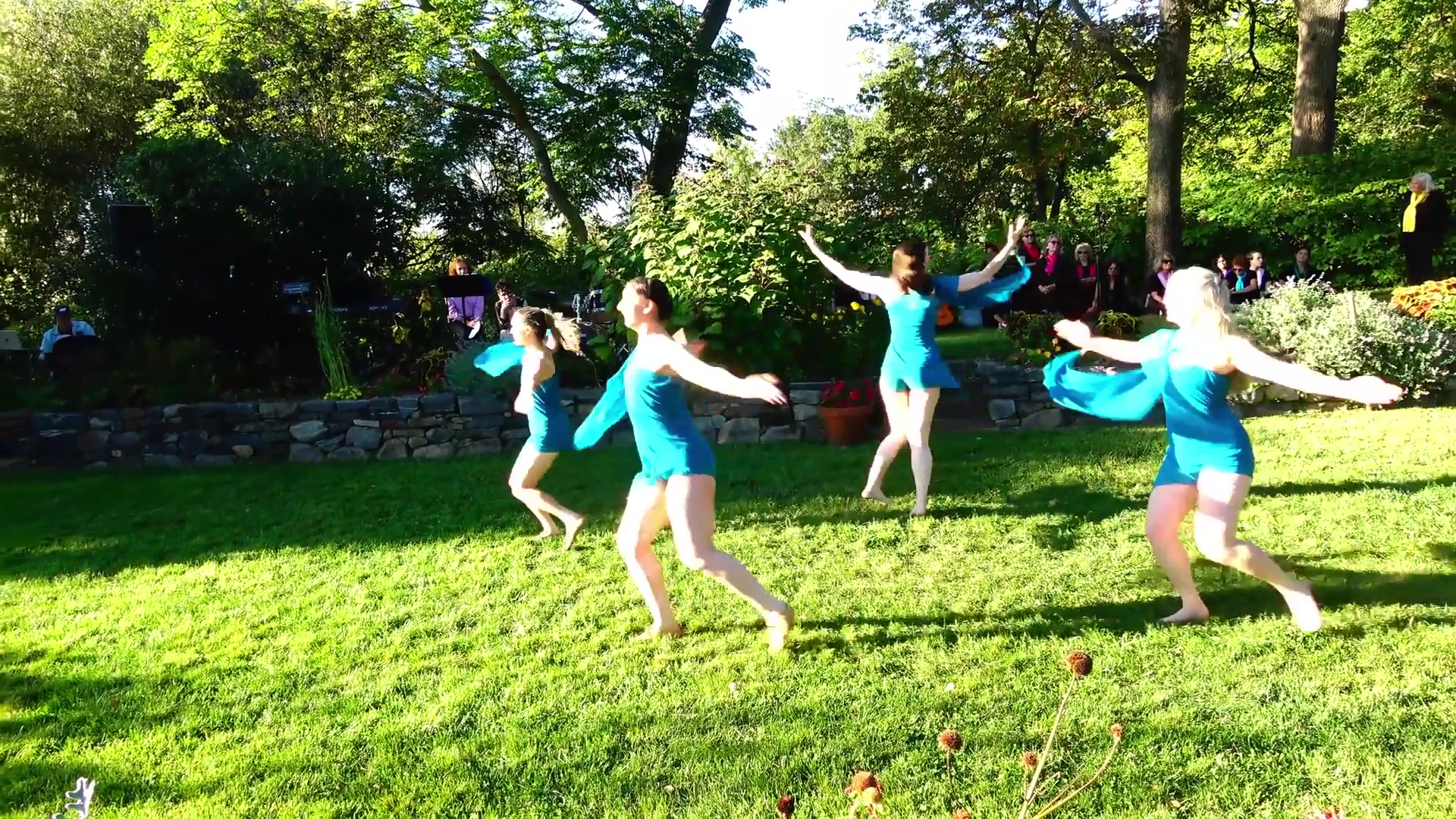 3min 21sec Original Jucovy works
 The Body Resilient
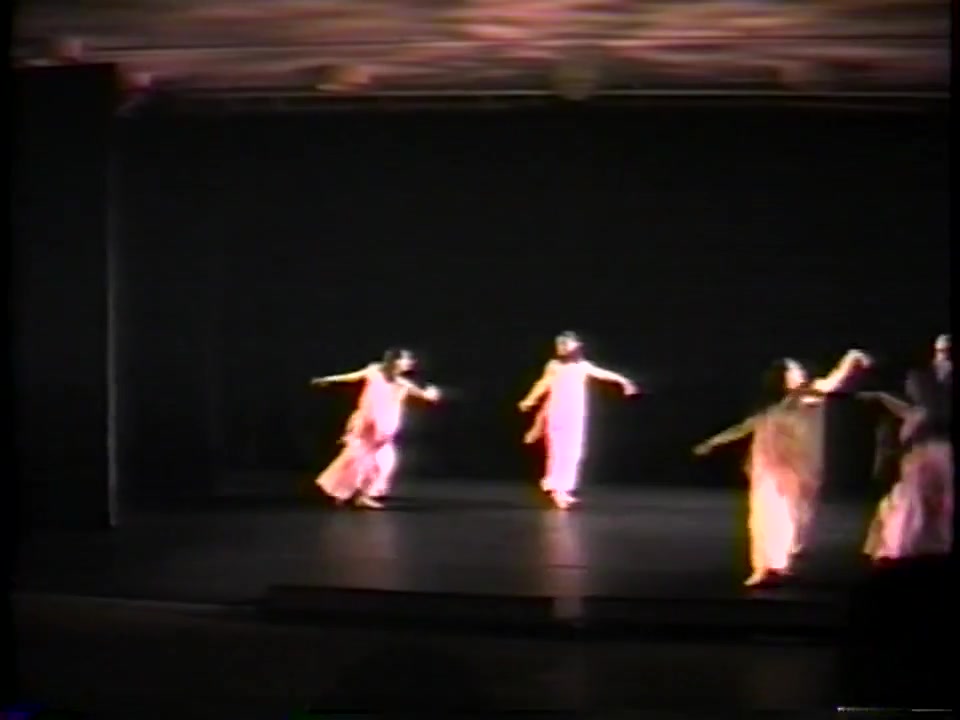 2min 31sec Isadora Duncan Repertory
 Duncan Dance Continuum at Holy Trinity 1994
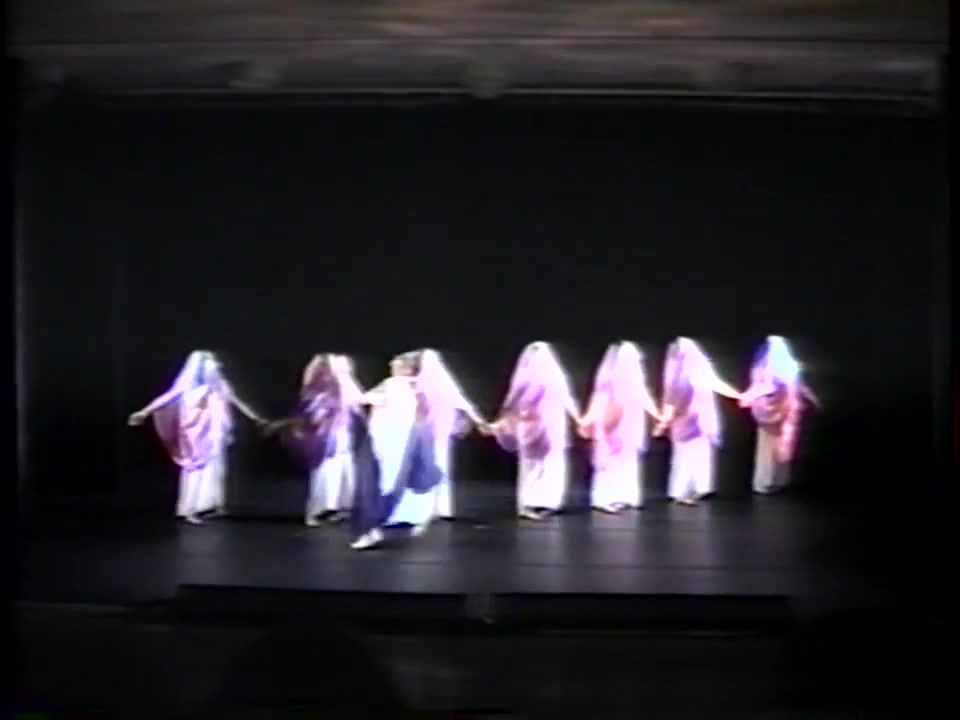 6min 35sec Isadora Duncan Repertory
 Duncan Dance Continuum at Holy Trinity 1994
 8min 47sec Original Jucovy works
 Emergence for Video
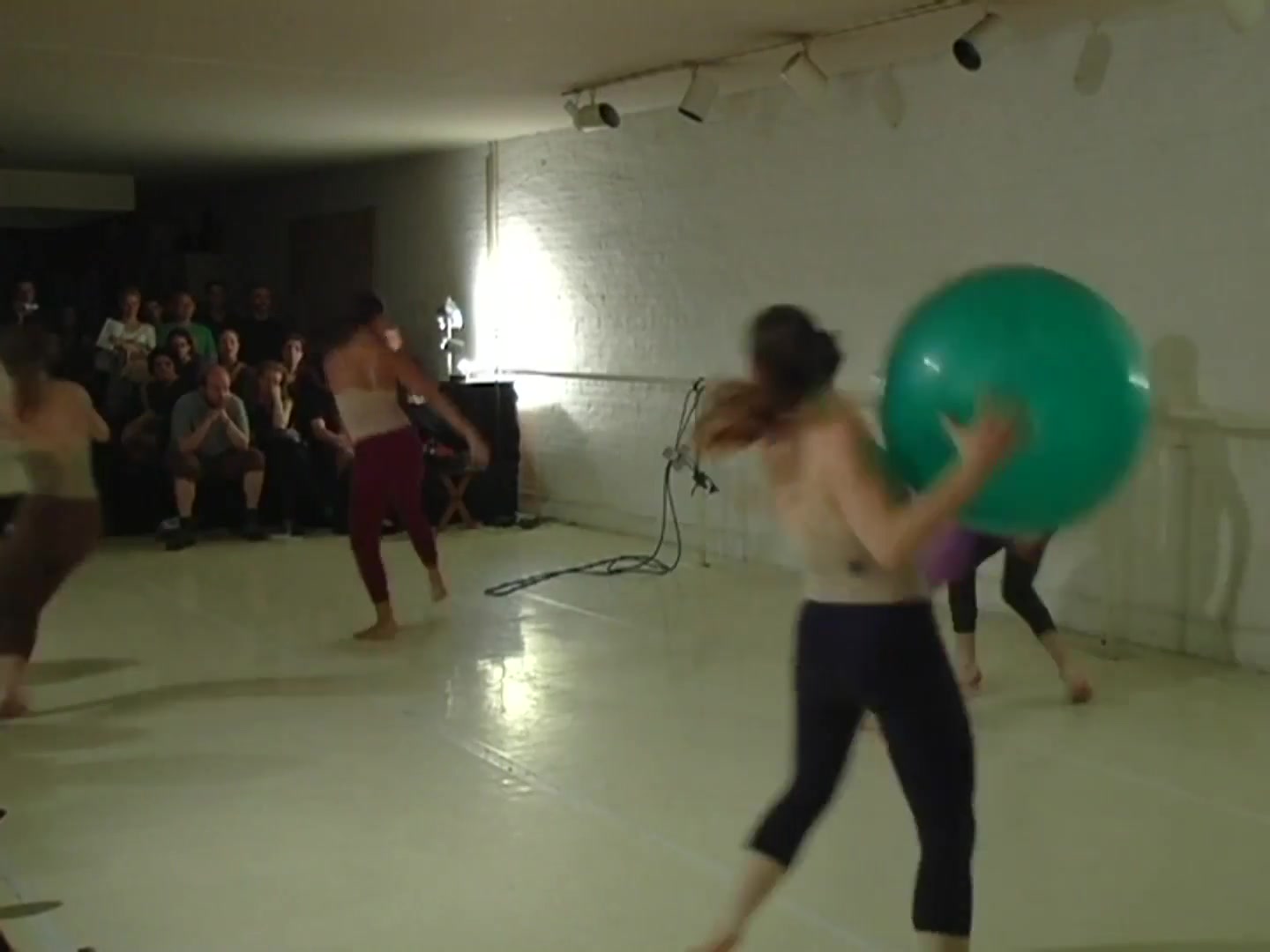 16min 43sec Original Jucovy works
 Emergence (for HATCH)
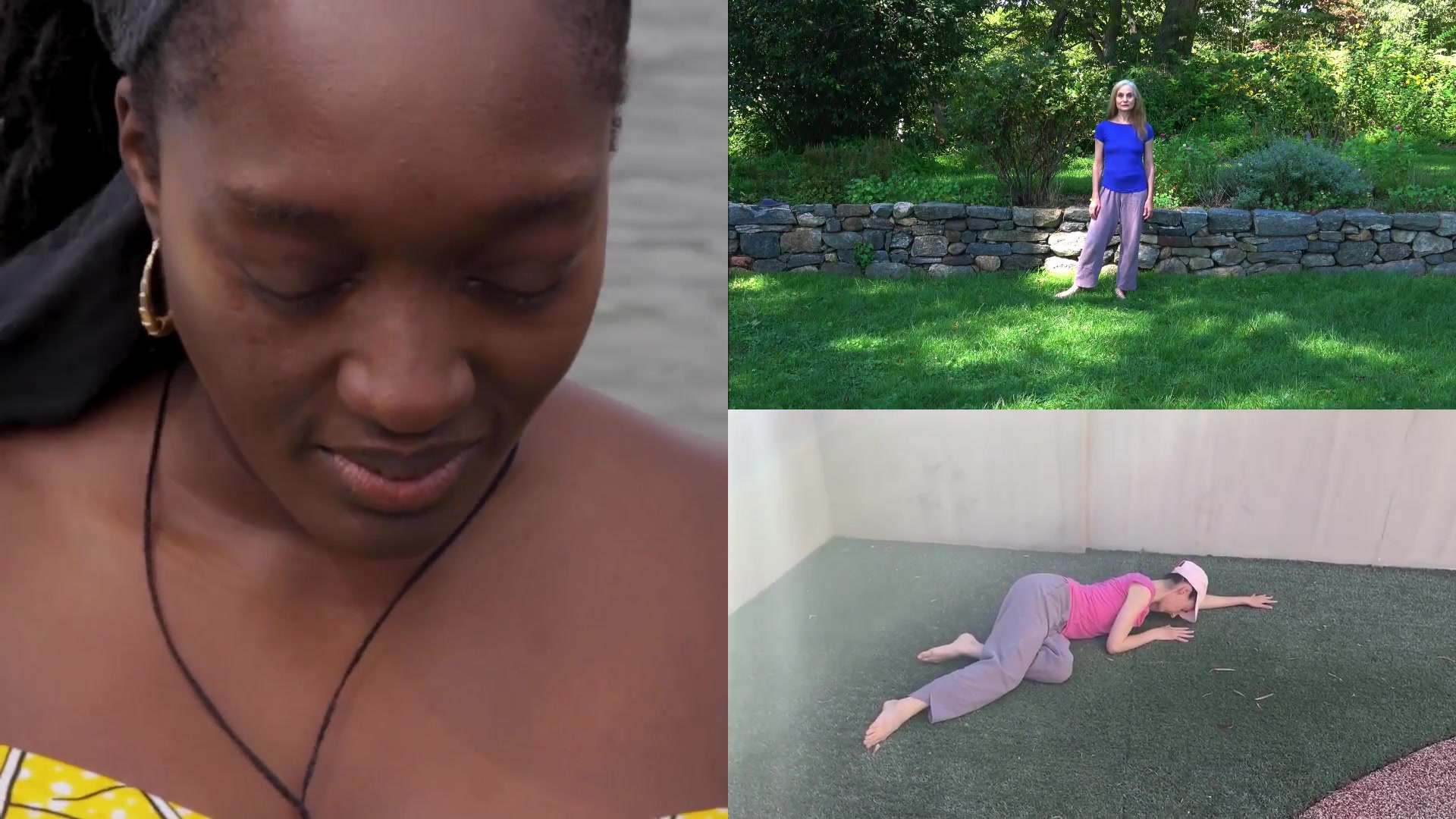 26min 23sec
 Evening
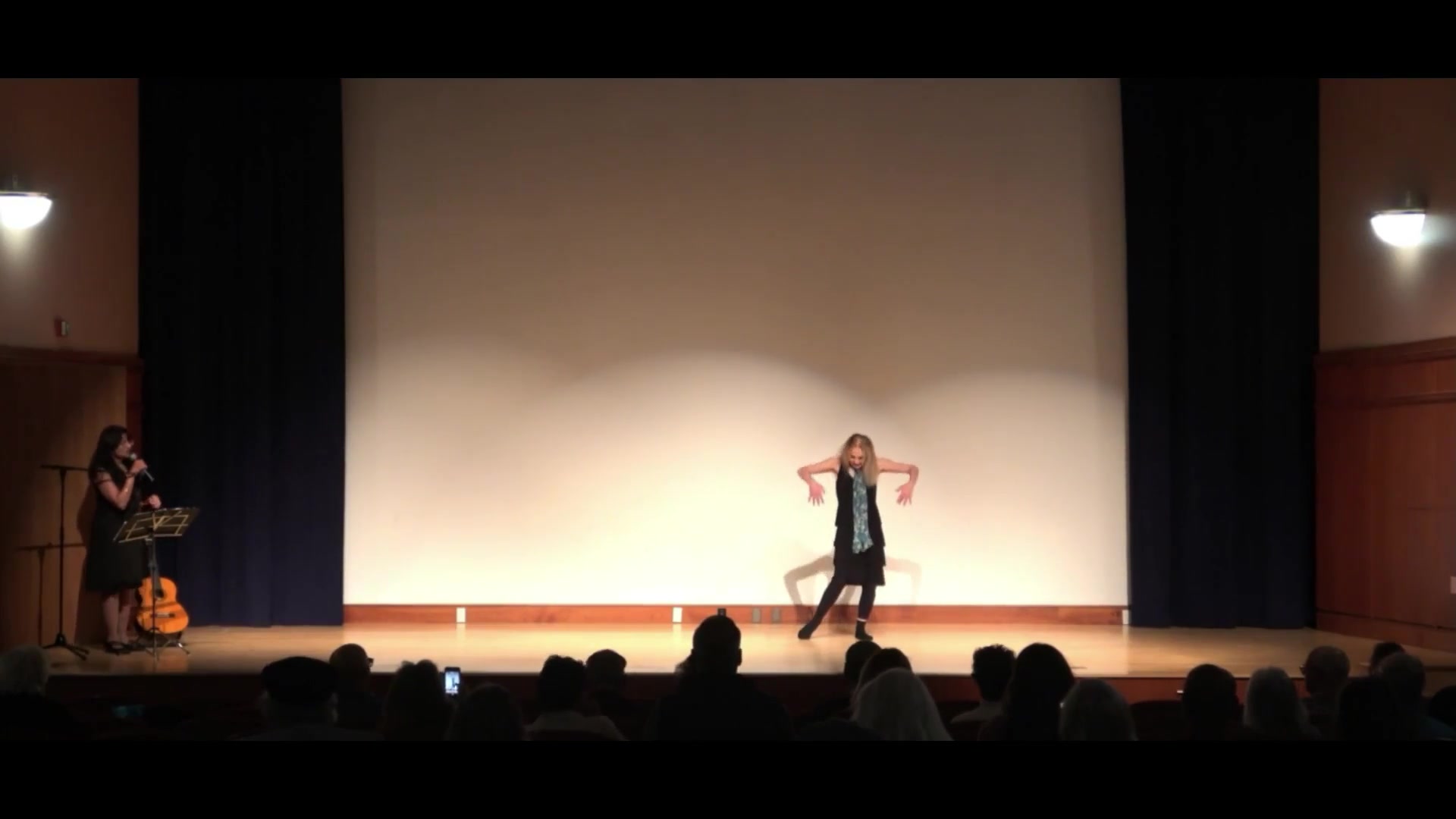 3min 11sec
 Art & Music in Motion
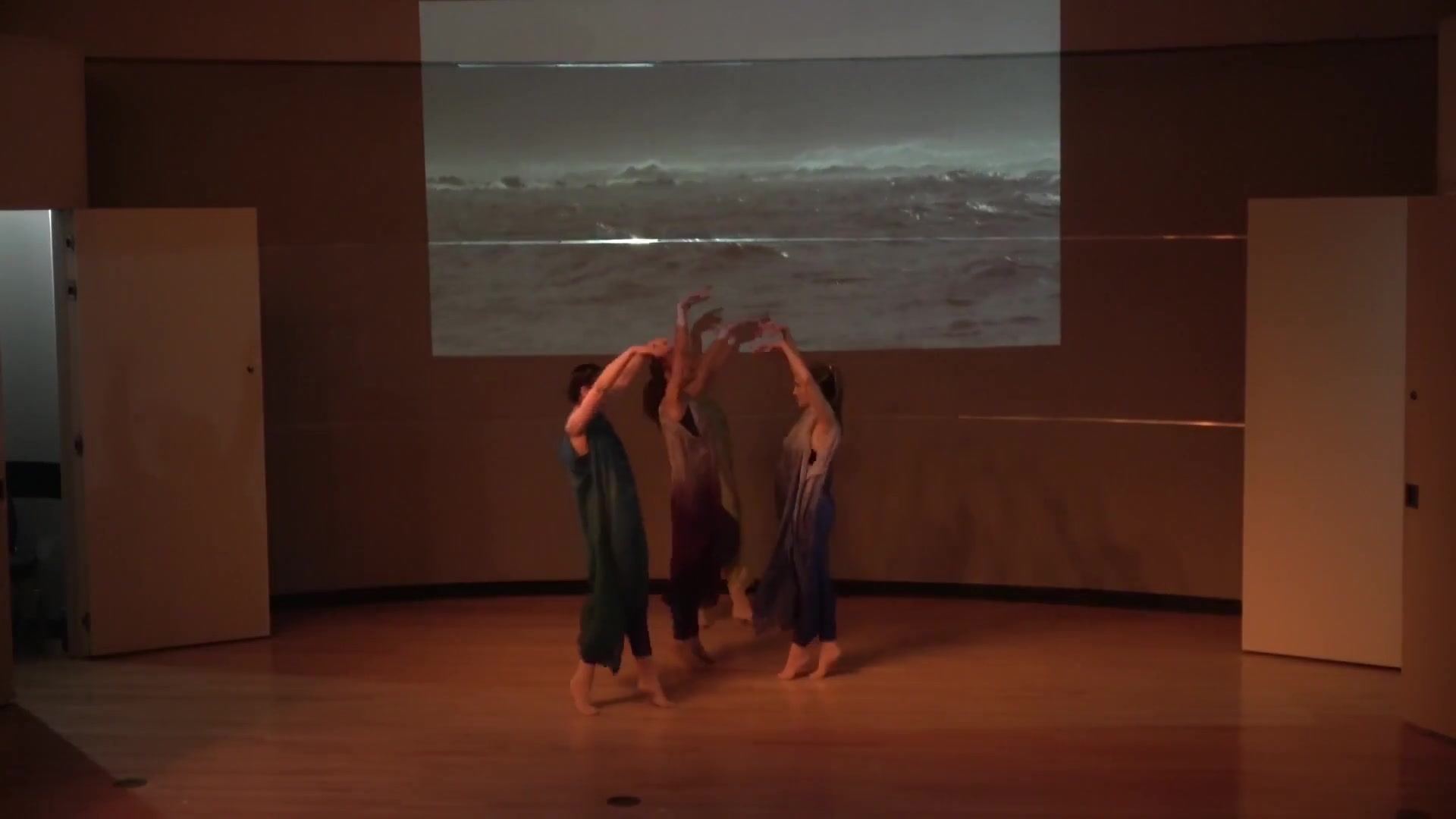 44min 41sec
 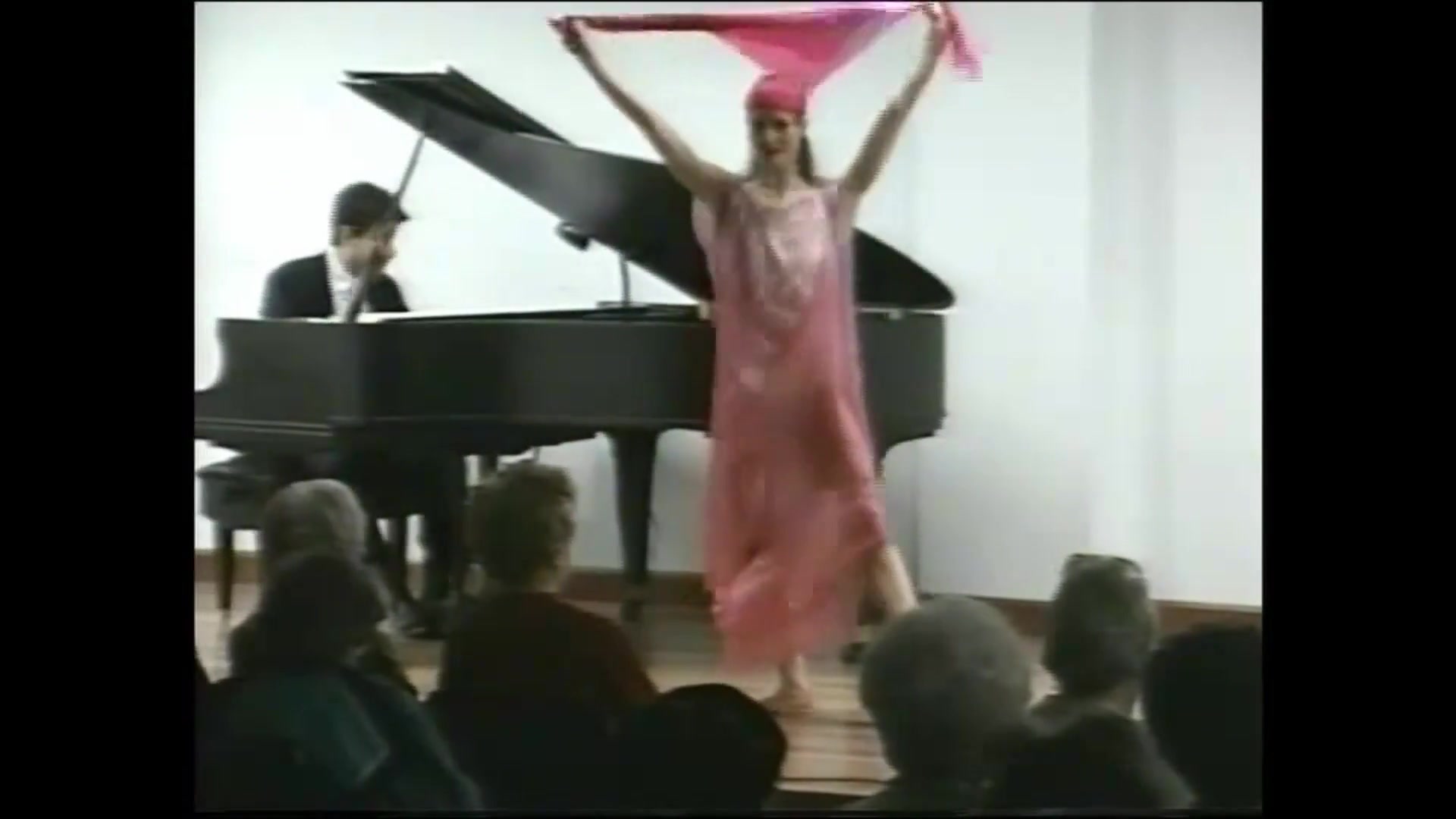 38sec Isadora Duncan Repertory
 The Divine Flame: the Life, times, Inspirations and Art of Isadora Duncan
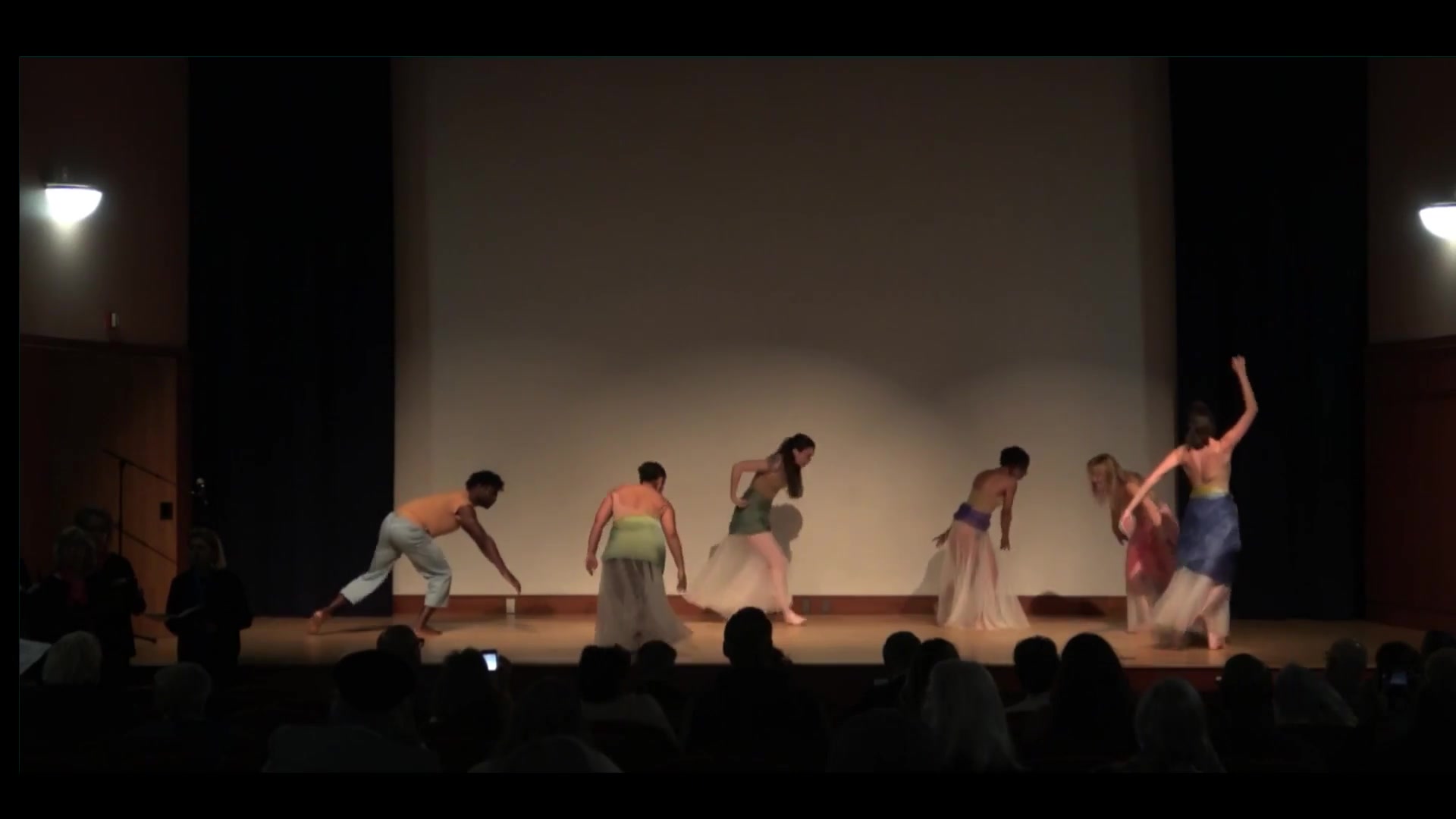 6min 45sec Original Jucovy works
 Art & Music in Motion
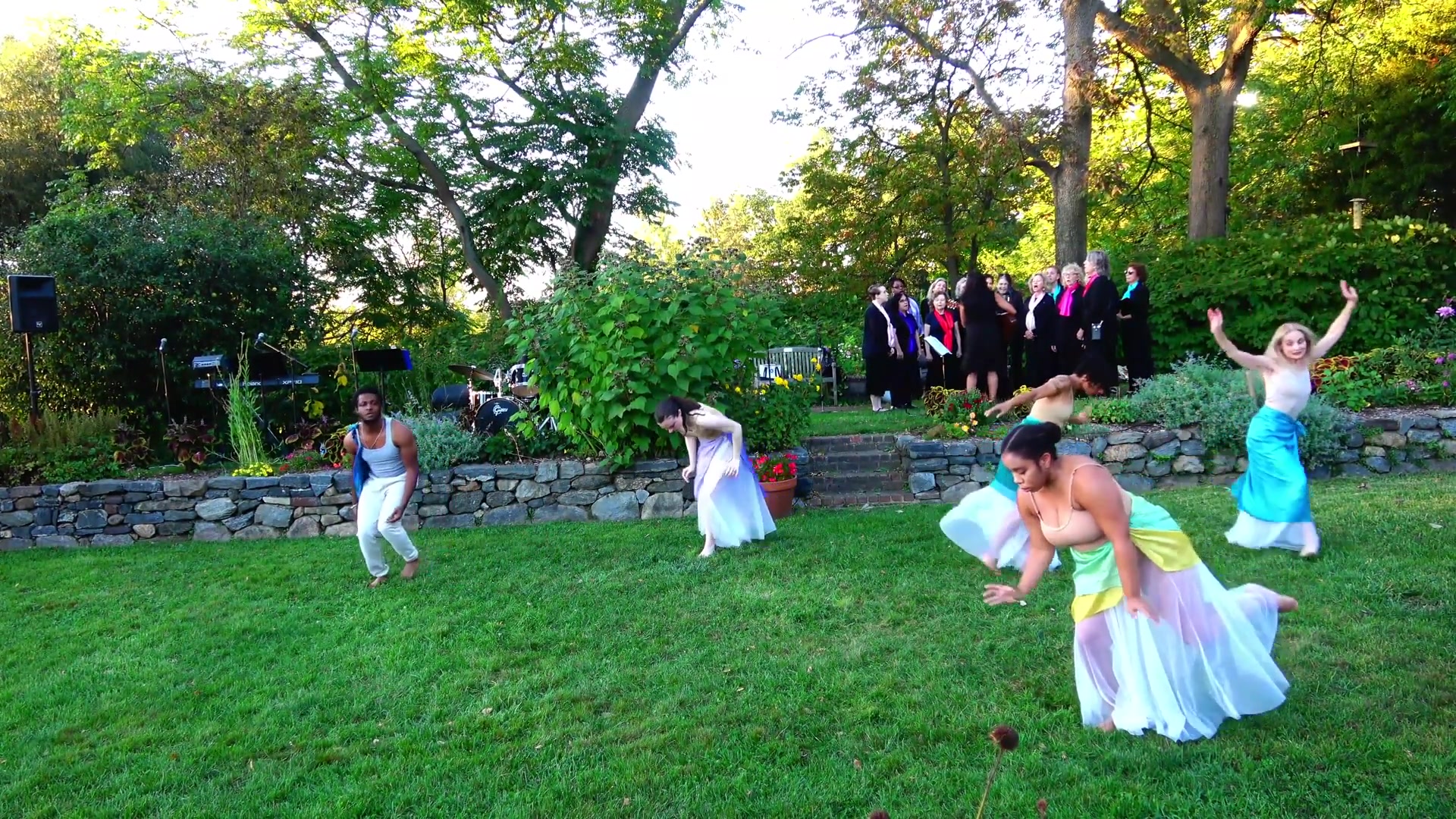 6min 47sec
 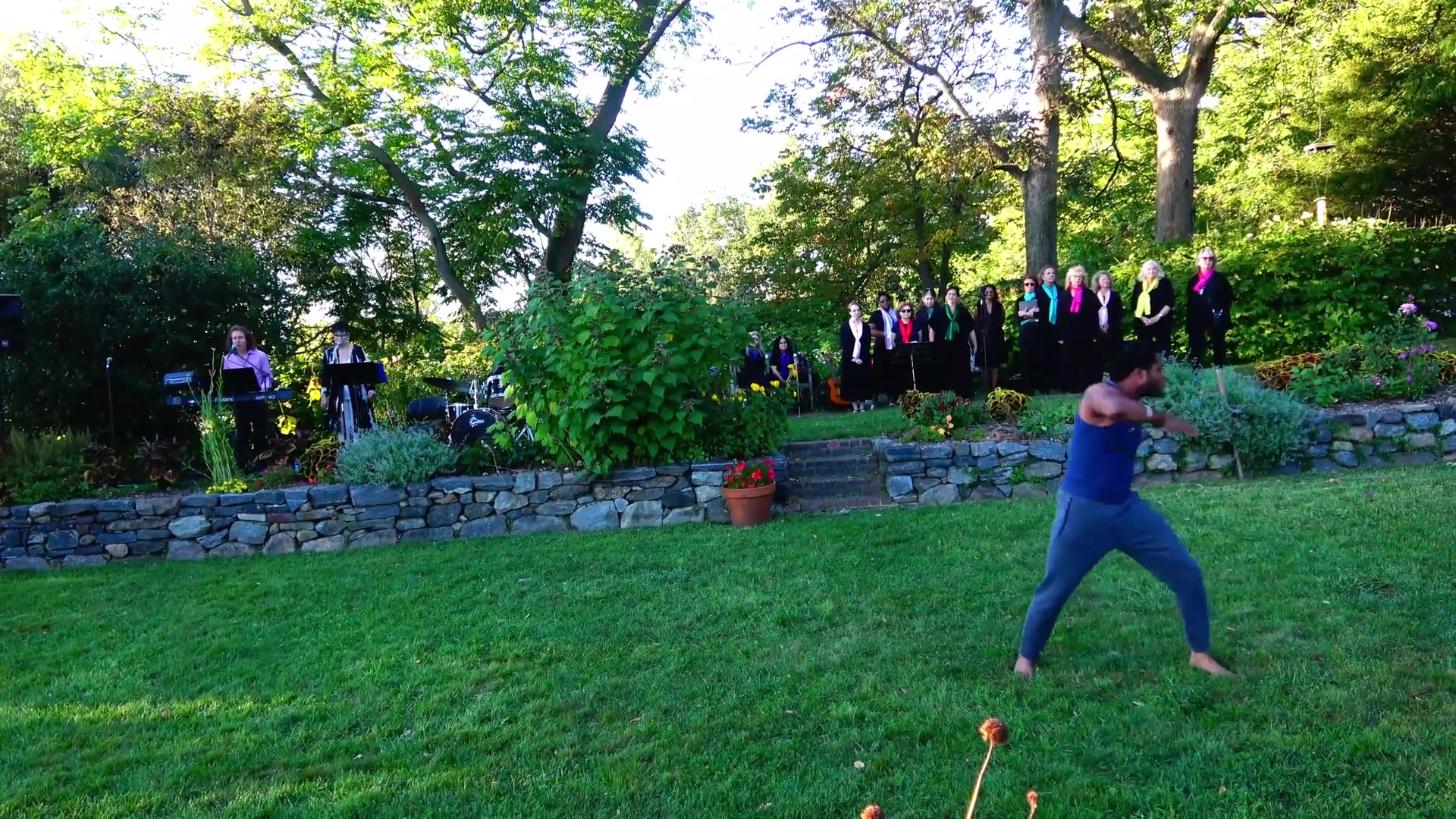 2min 55sec
 The Body Resilient
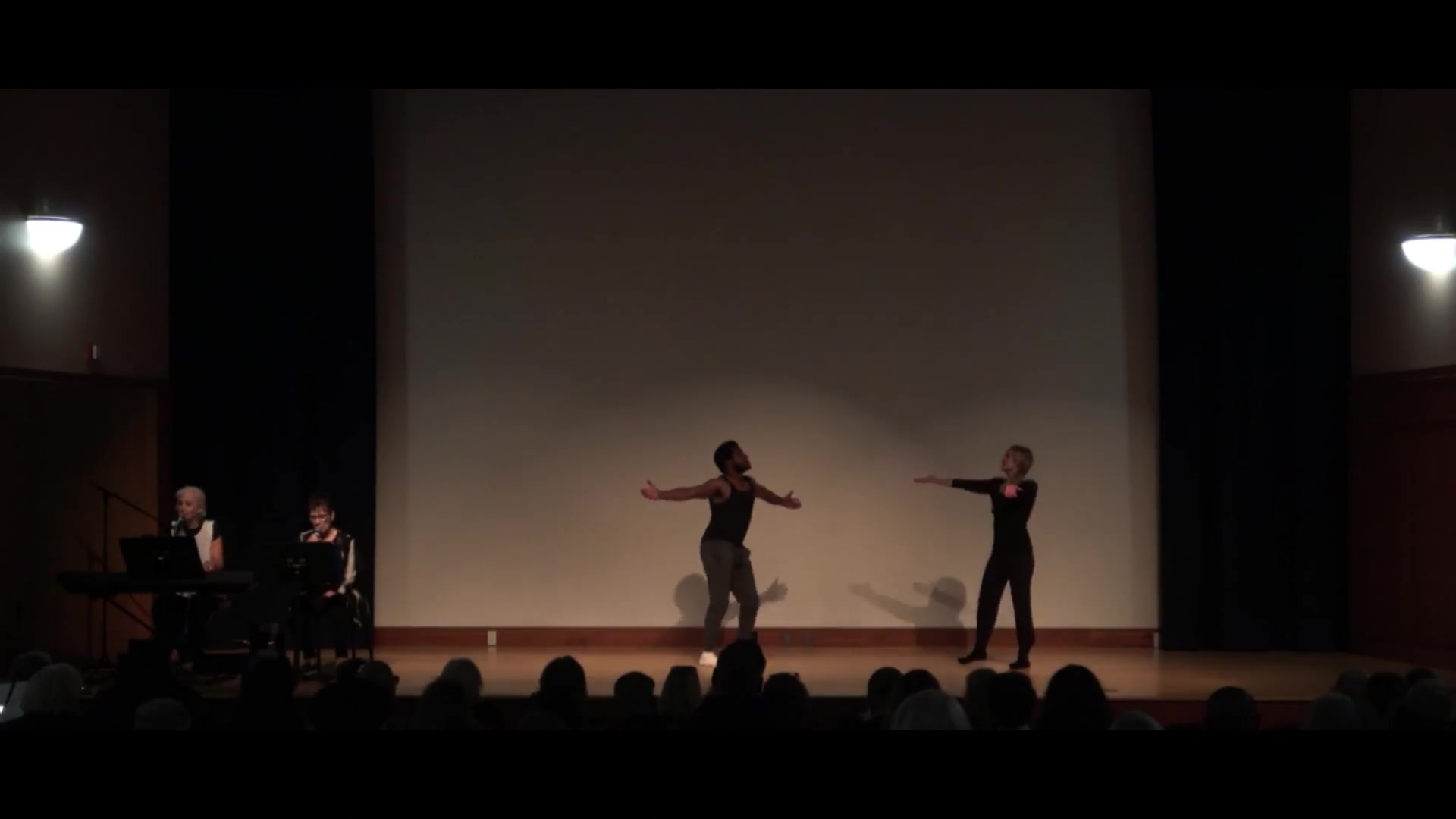 3min 34sec
 Art & Music in Motion
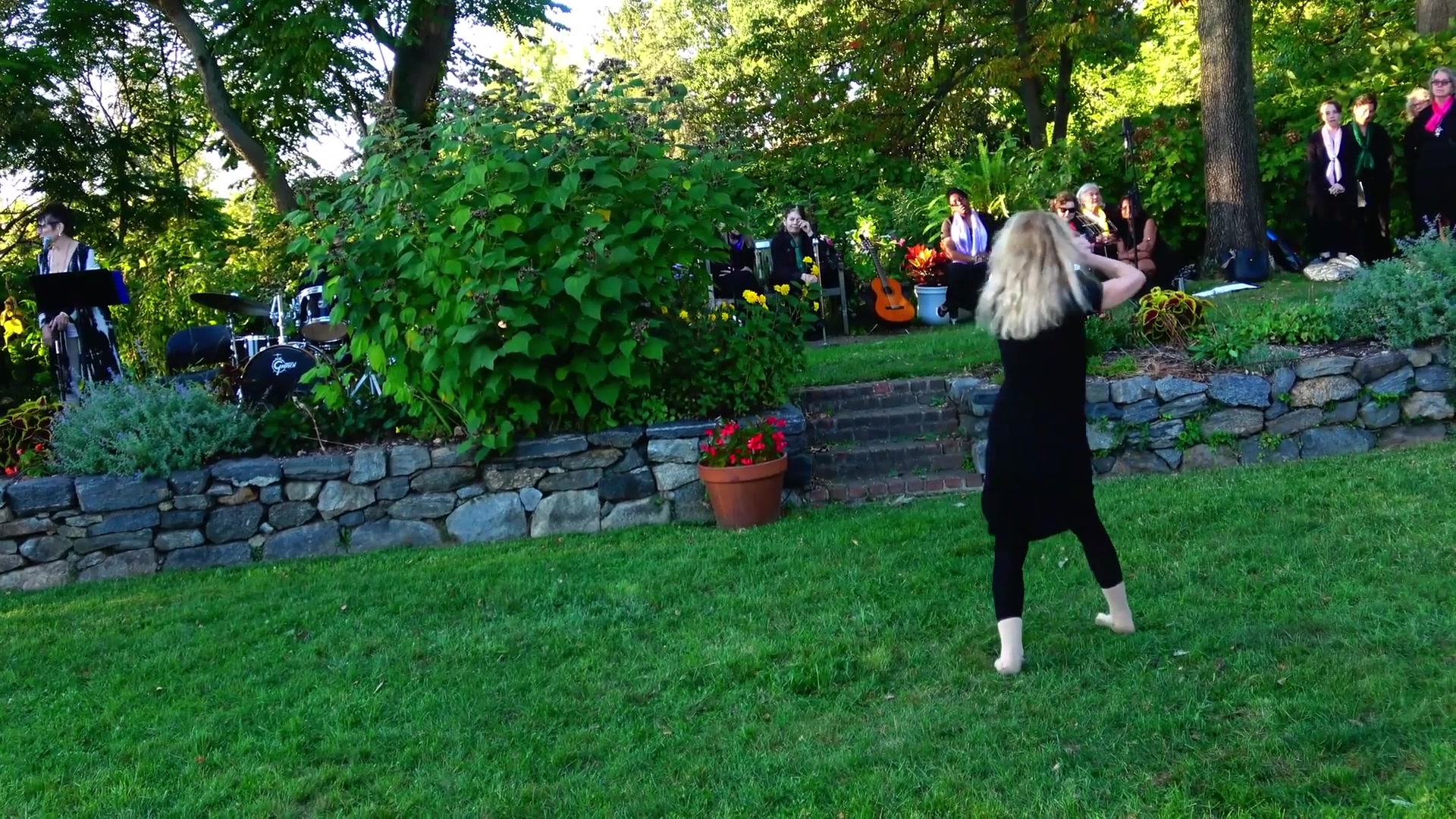 4min 31sec
 The Body Resilient
 7min 28sec
 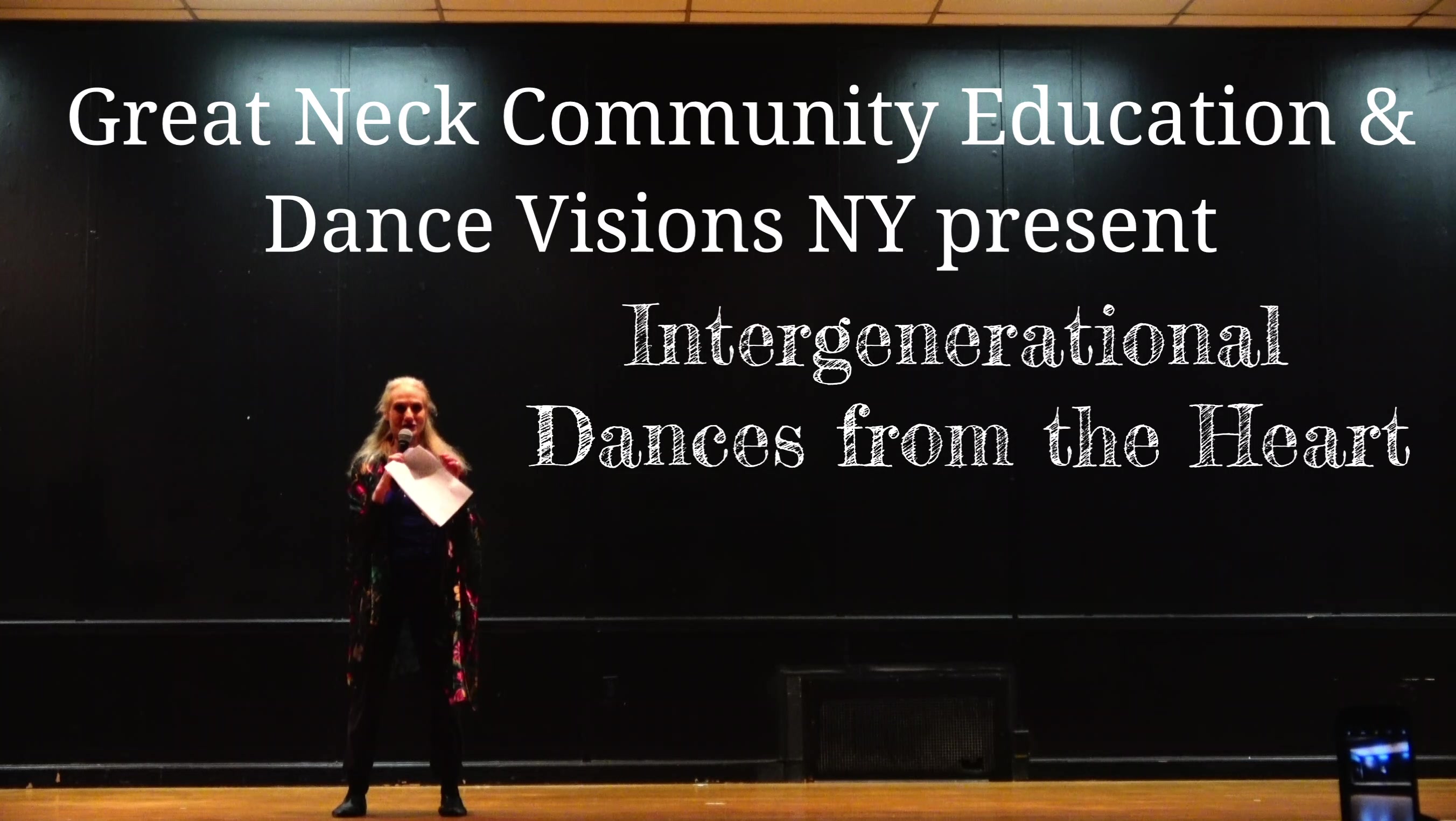 1:17:14
 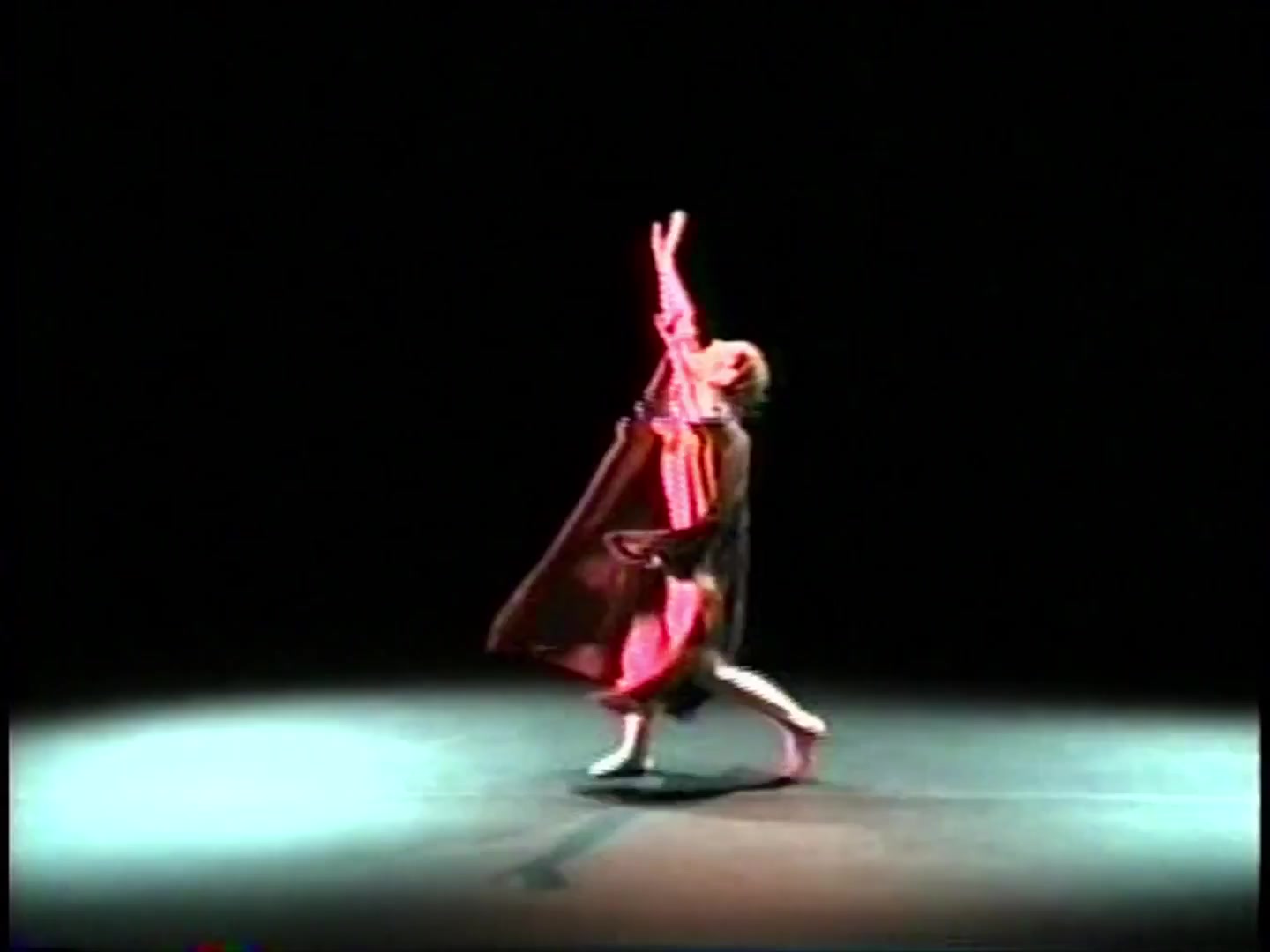 31min 20sec
  1:31:32
 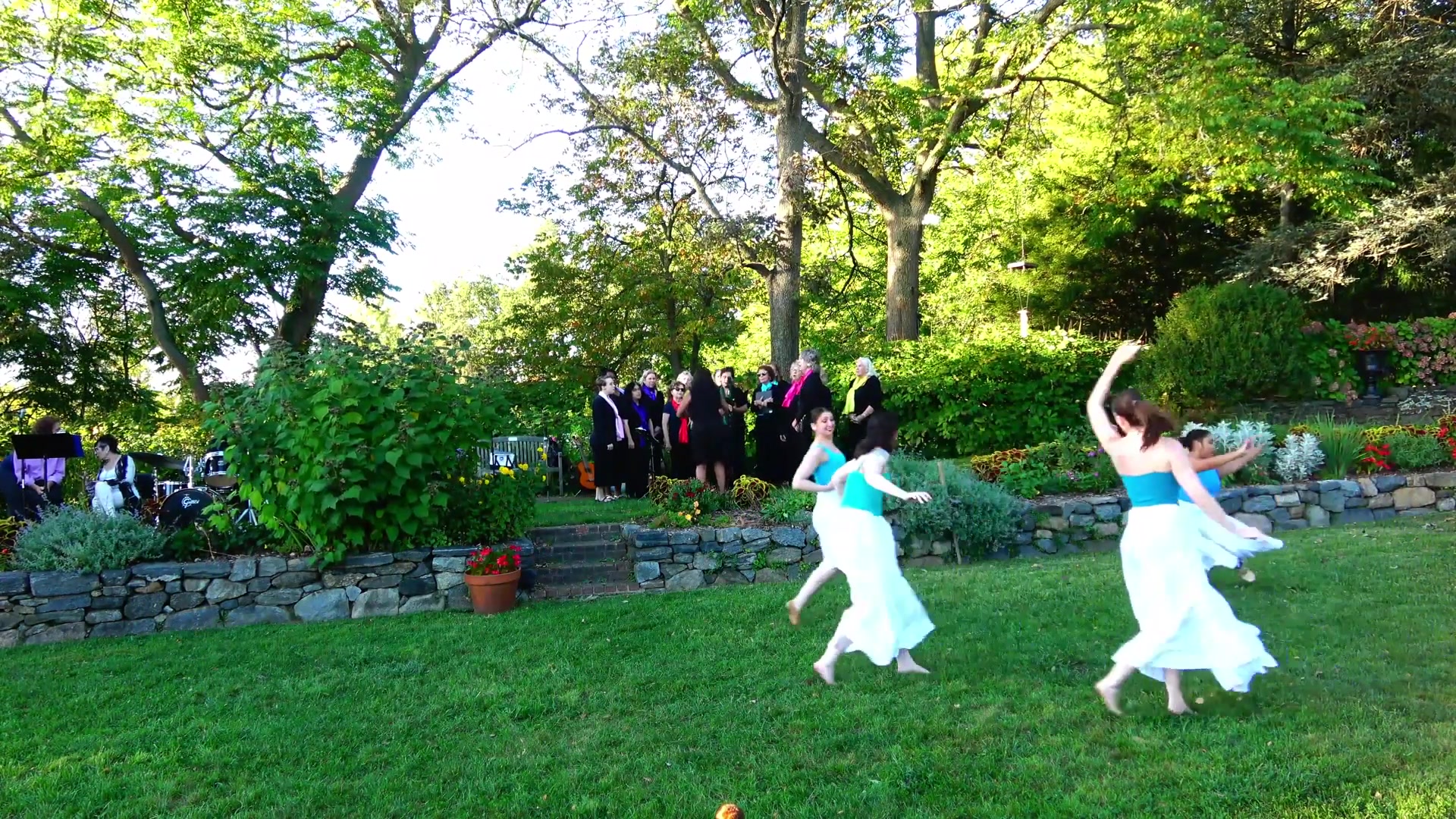 2min 29sec Original Jucovy works
 The Body Resilient
 1:38:12
 Major Dance Classics and Contemporary Works
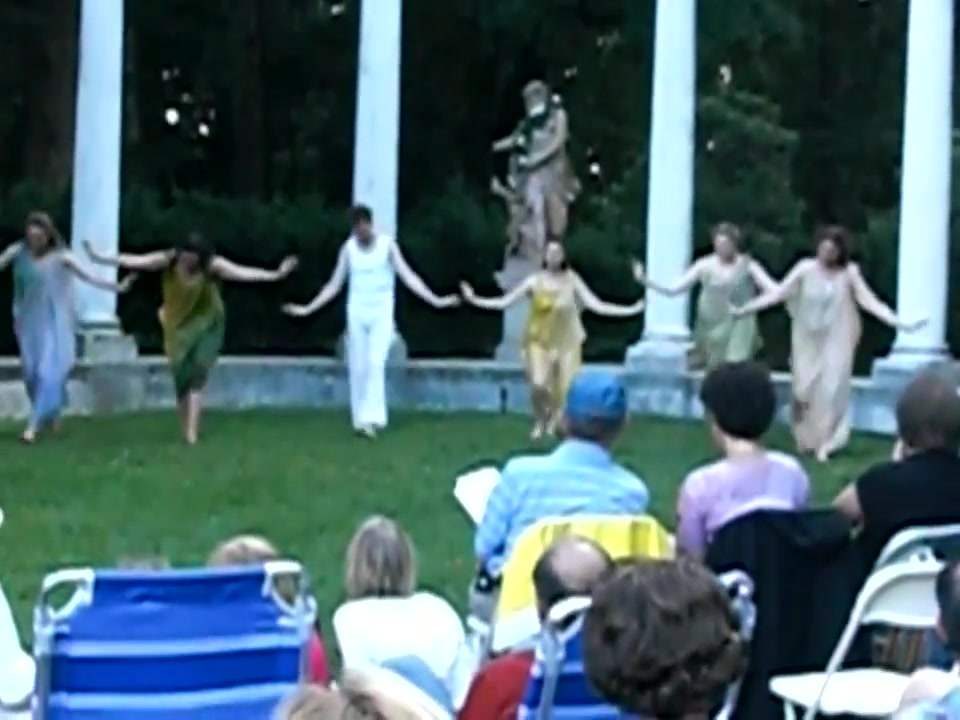 38min 38sec
 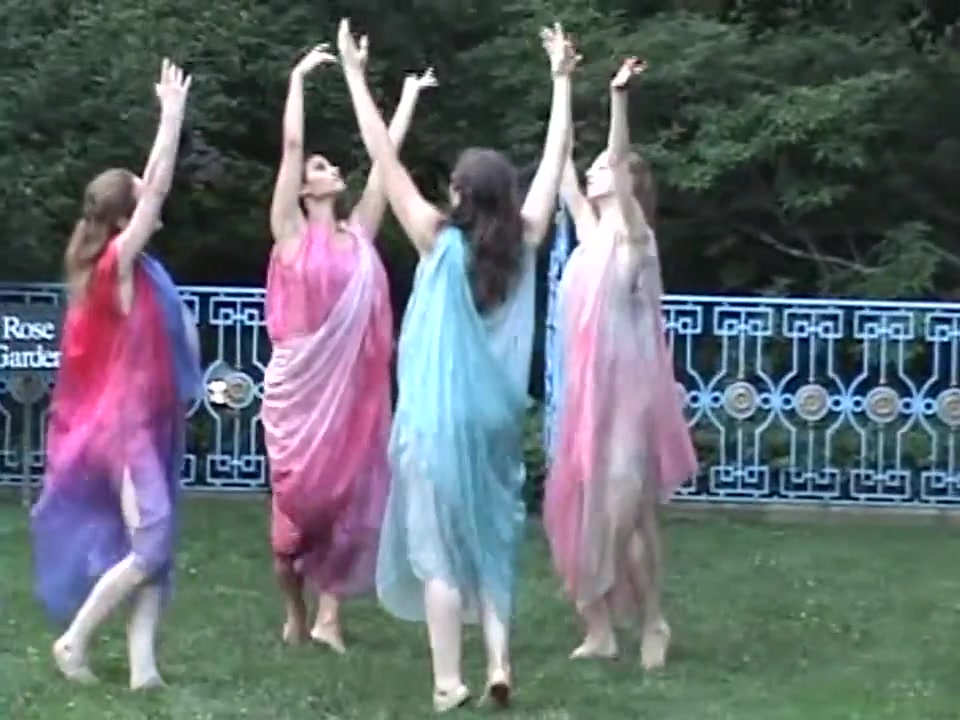 1:48:27
  4min 29sec Isadora Duncan Repertory
 Duncan Dance Continuum at Holy Trinity 1994
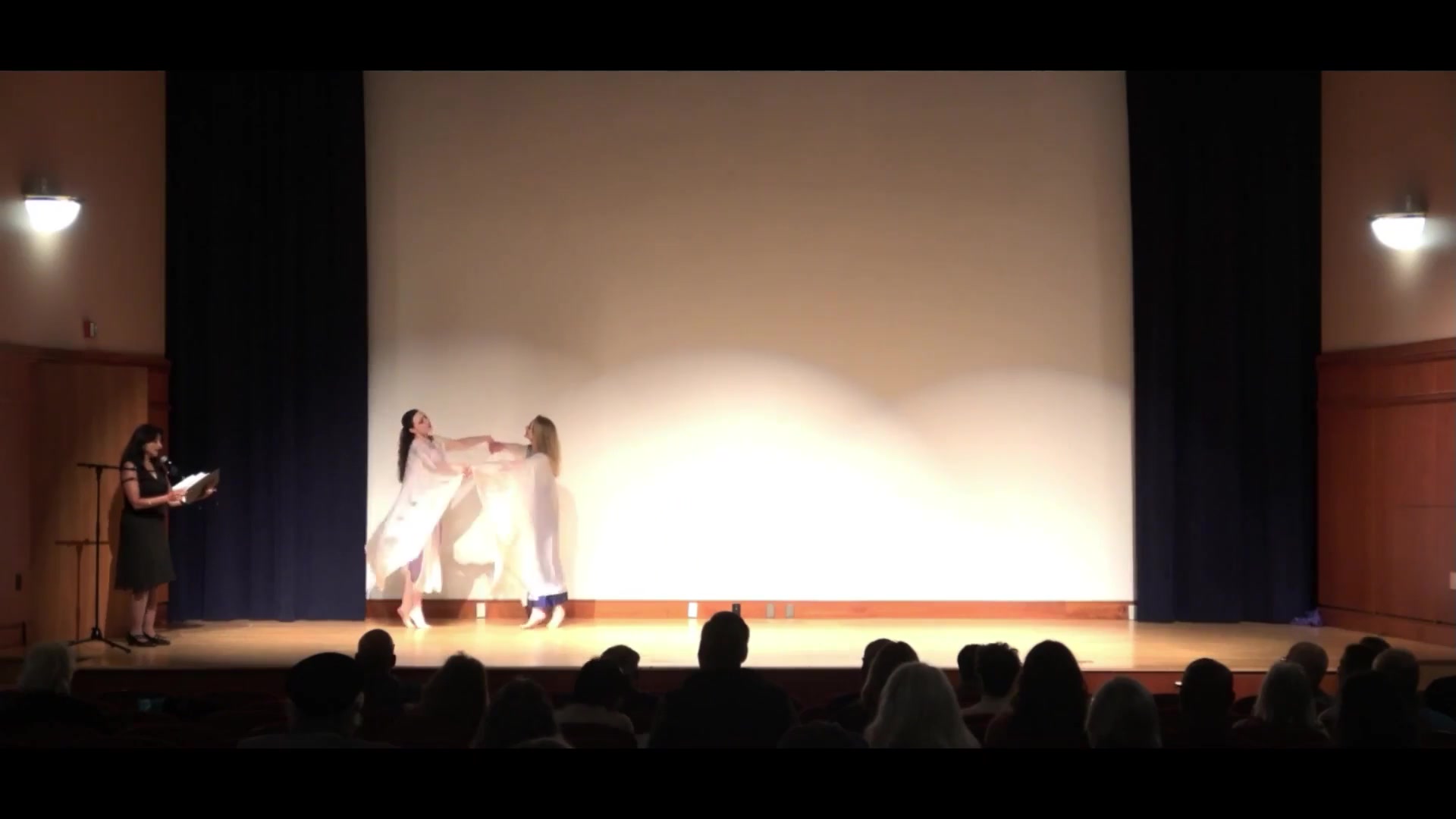 3min 56sec Isadora Duncan Repertory
 Art & Music in Motion
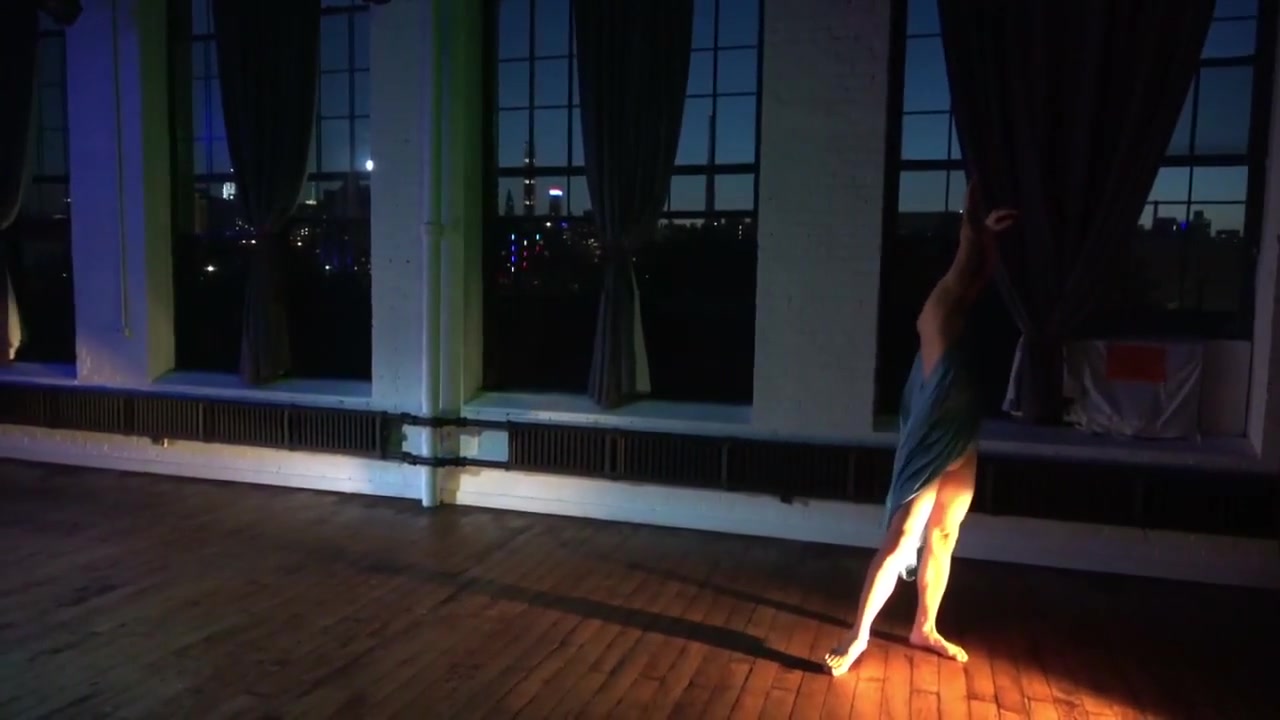 2min 36sec Duncan
 Earth Trilogy, Fast Forward for Greenspace
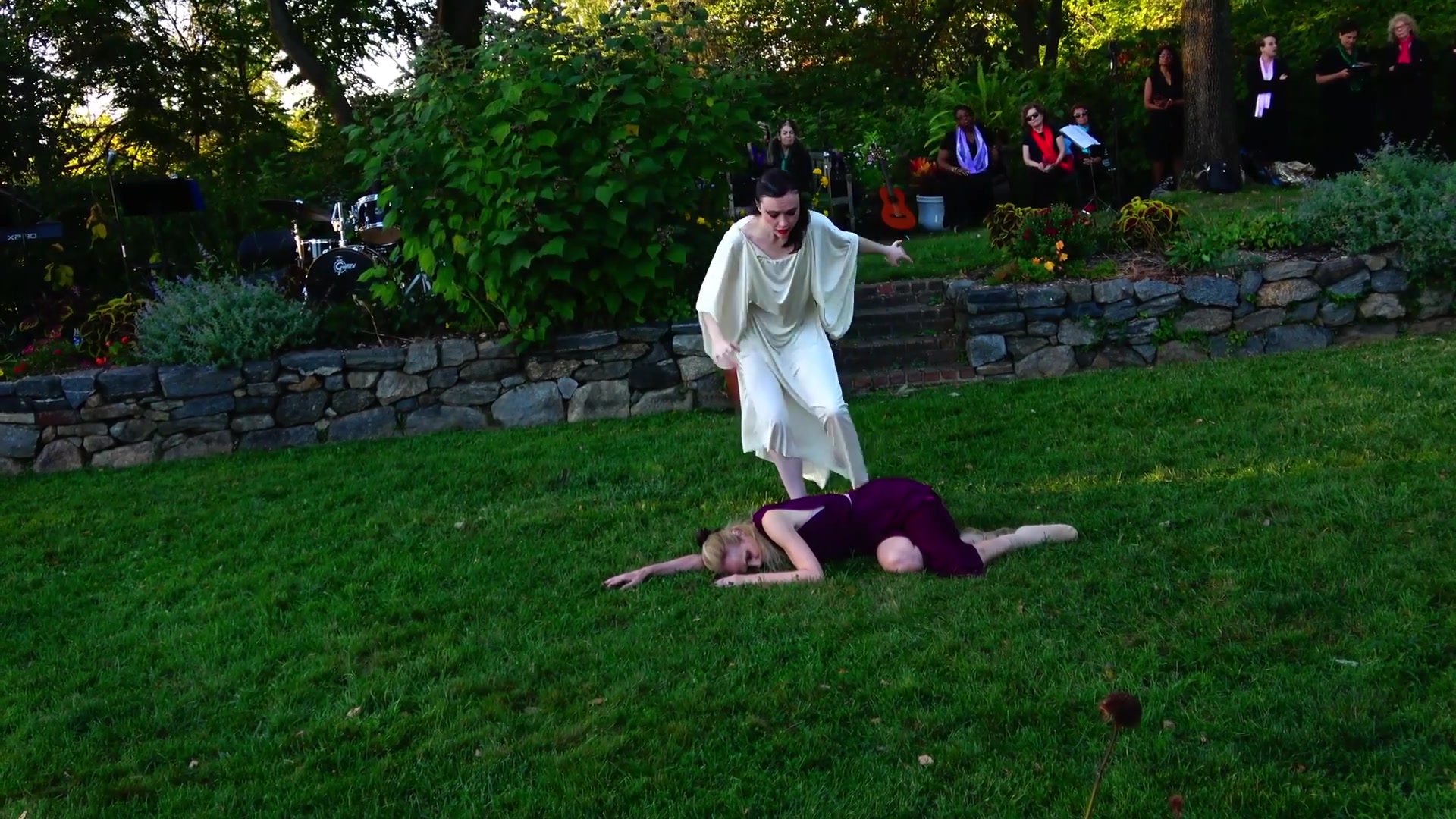 4min 46sec
 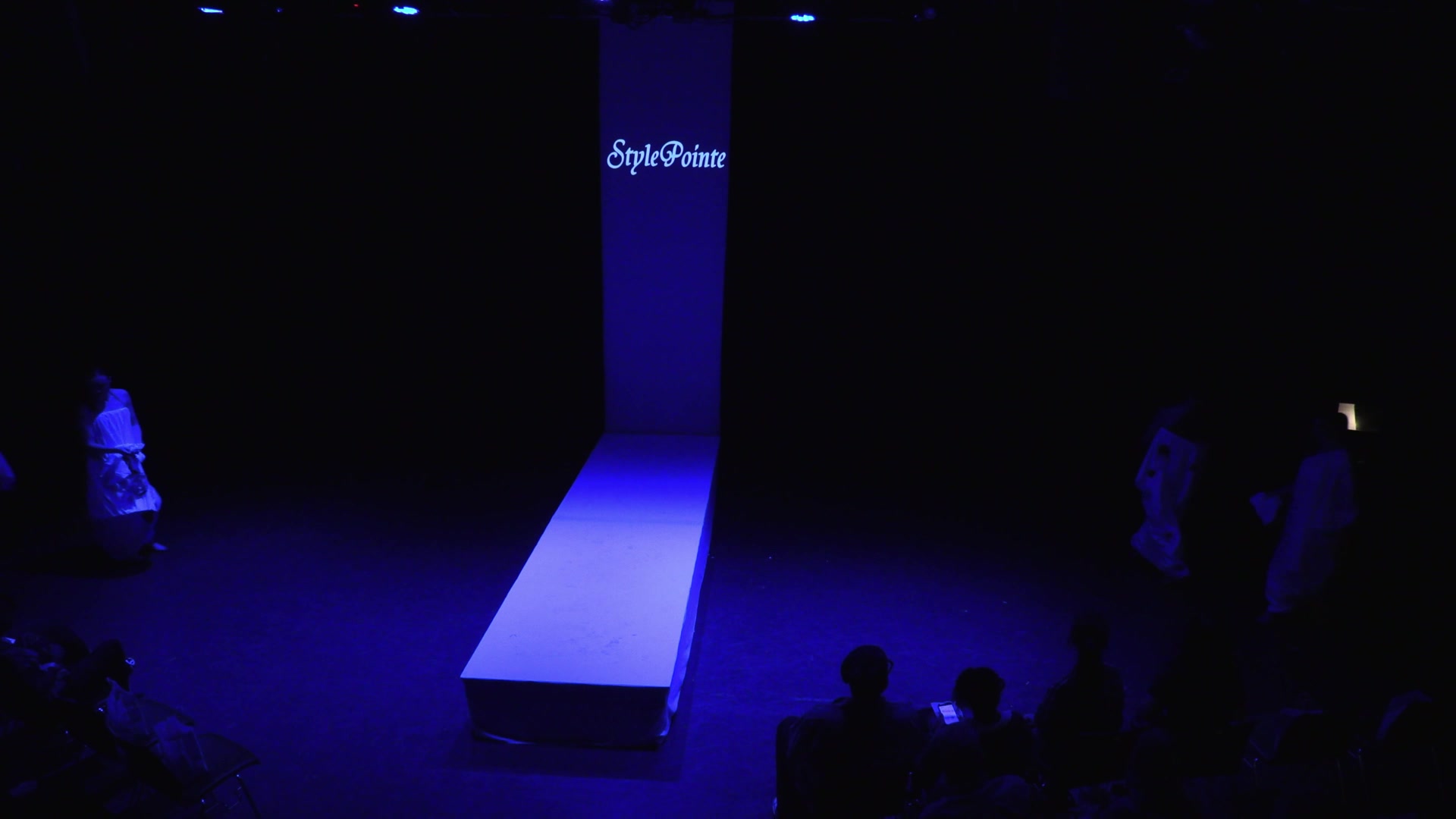 10min 35sec 10min 21sec
 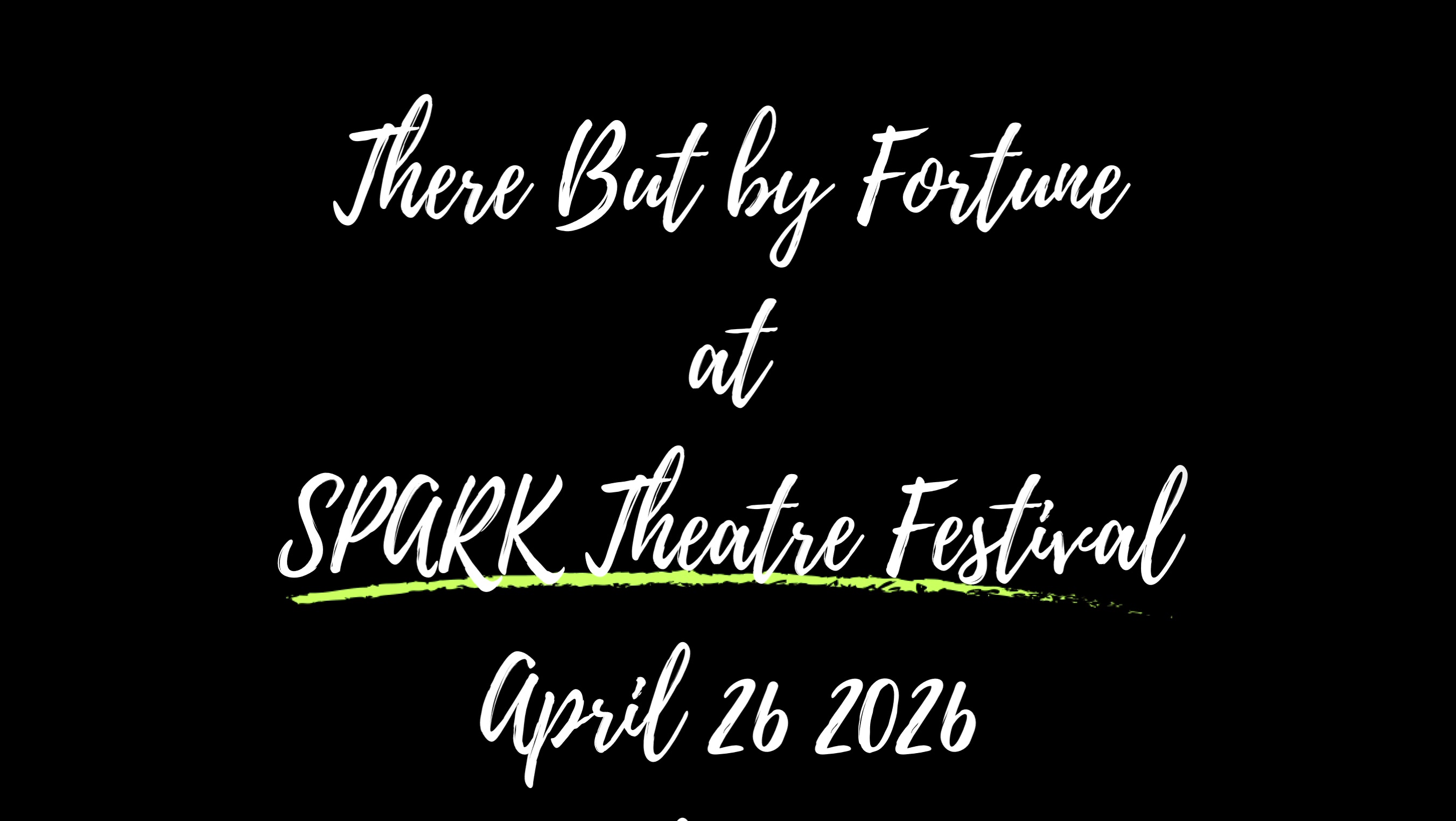 4min 56sec
 There But by Fortune, SPARK Theatre Festival
 8min 36sec
 The Body Resilient
 1:15:04
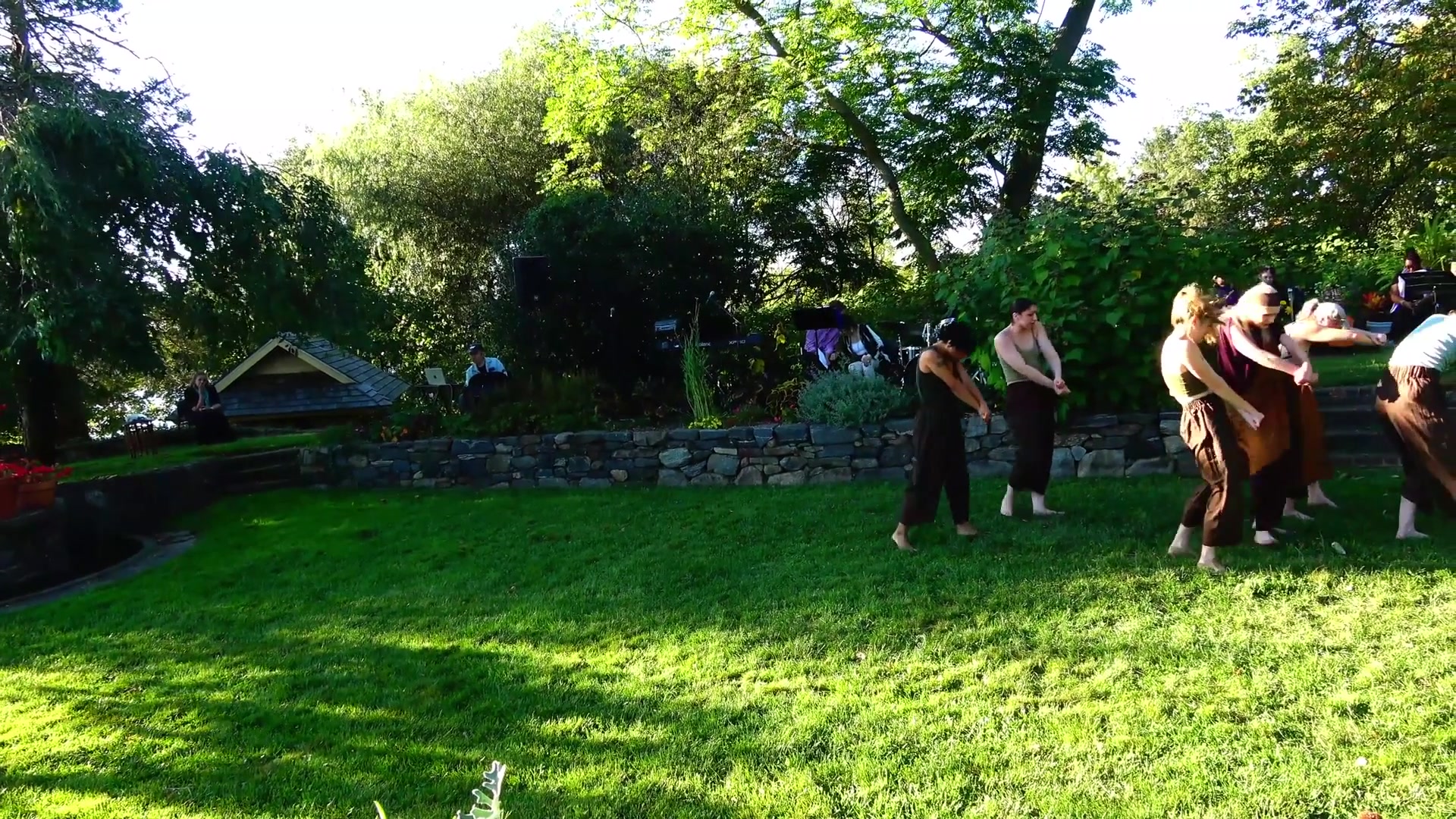
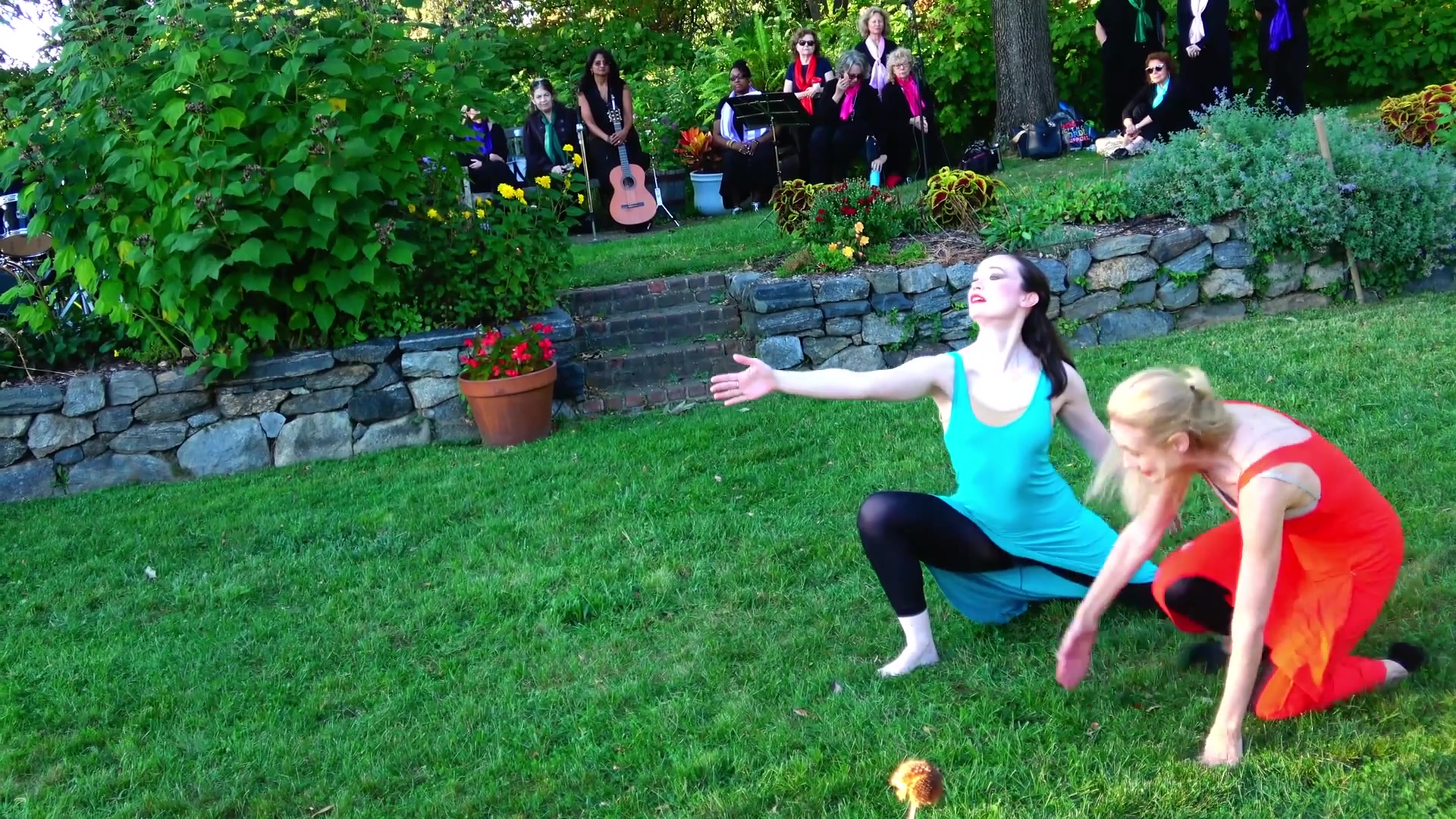
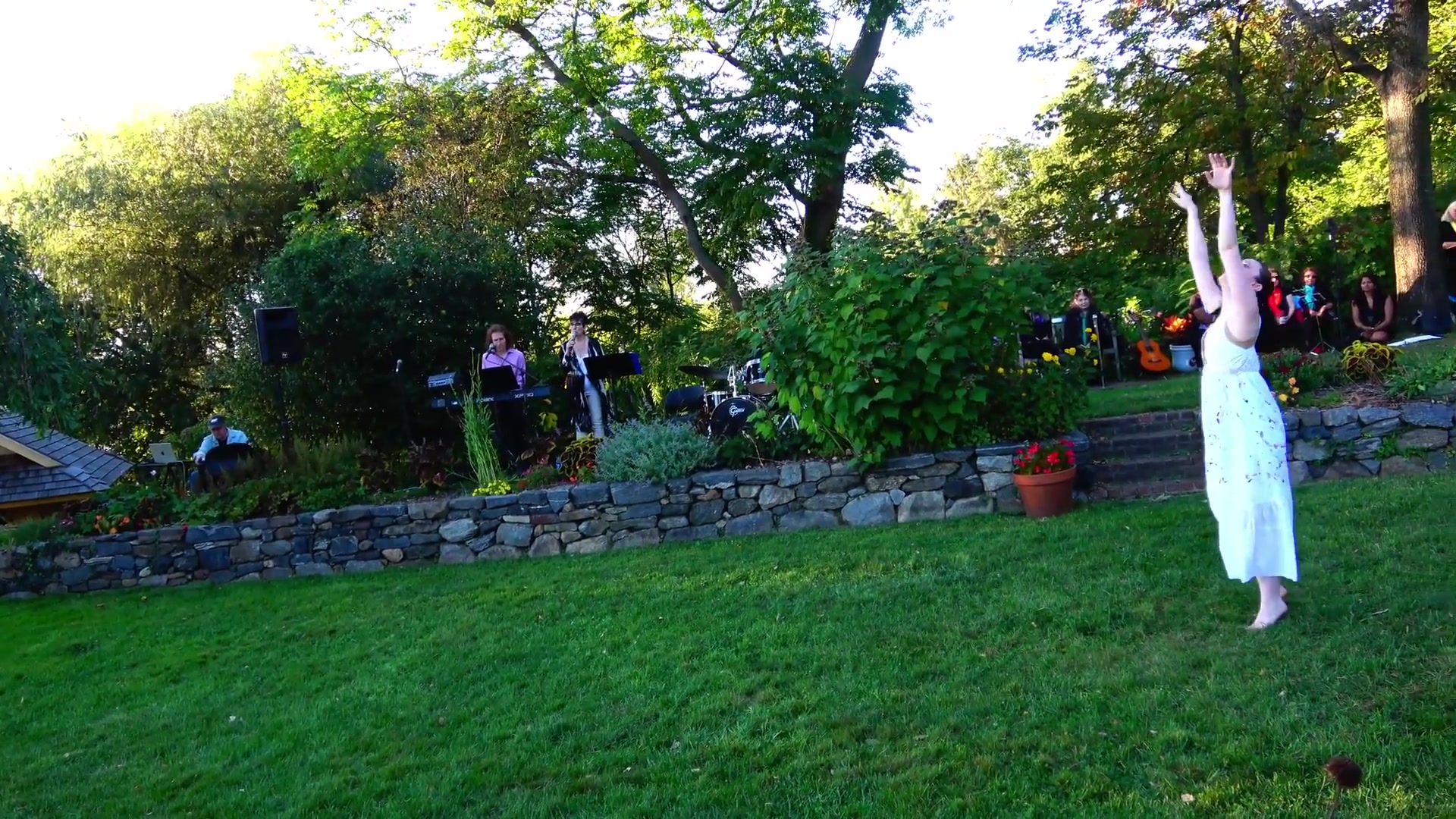
 Rising Up
 5min 1sec Original Jucovy works
 The Body Resilient
 3min 58sec
 The Body Resilient
 1:03:38 10min 33sec
  28min 40sec Original Jucovy works
 Art & Music in Motion
 3min 8sec
 Art & Music in Motion
 2min 18sec
  1min 41sec
  1:19:47
  1:27:45
 The Divine Flame, Jericho Library
 9min 32sec
  9min 59sec Isadora Duncan Repertory
 Duncan Dance Continuum at Holy Trinity 1994
 1min 37sec Isadora Duncan Repertory
 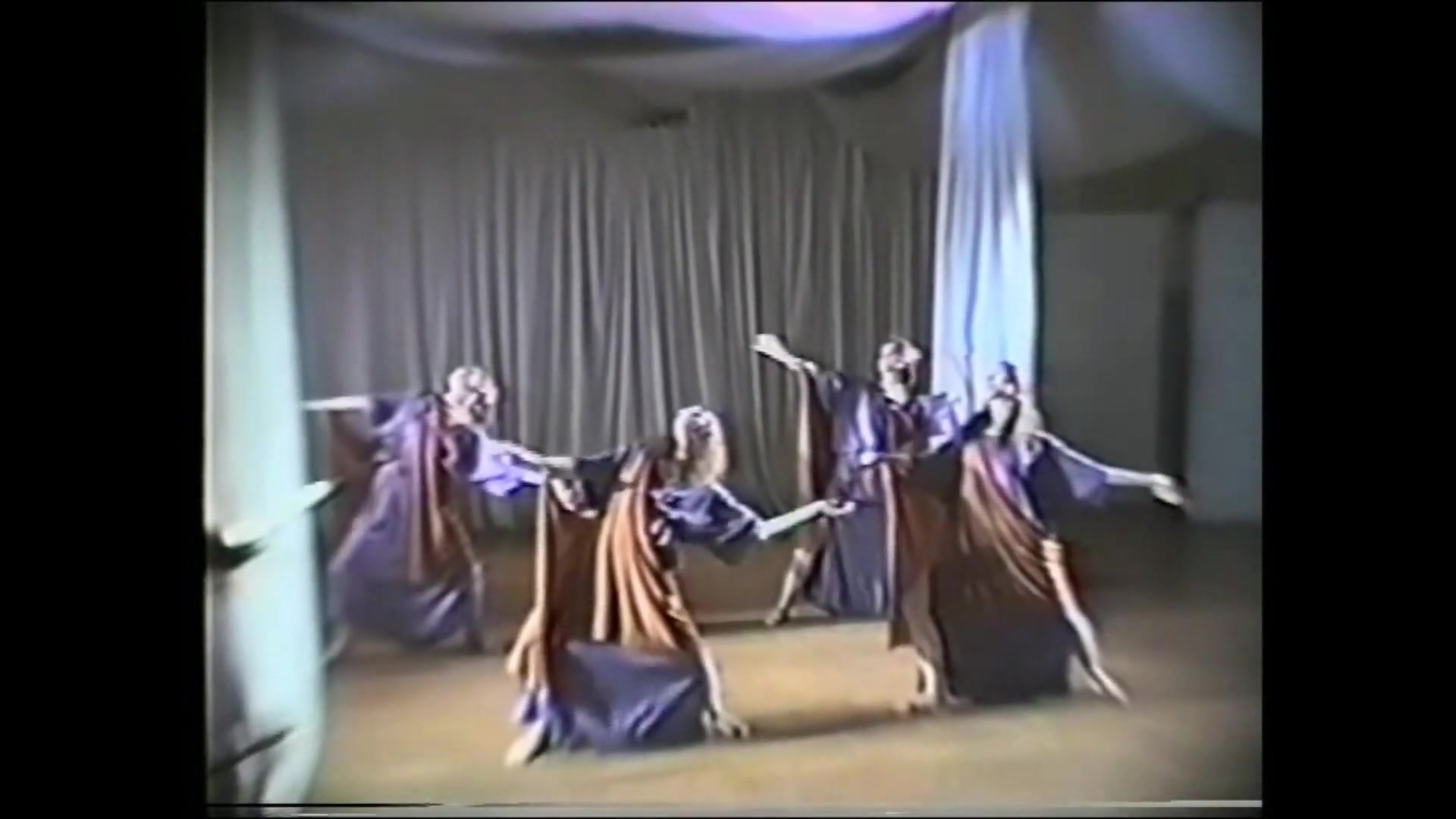 4min 1sec 14min 53sec Original Jucovy works
 There But by Fortune, SPARK Theatre Festival
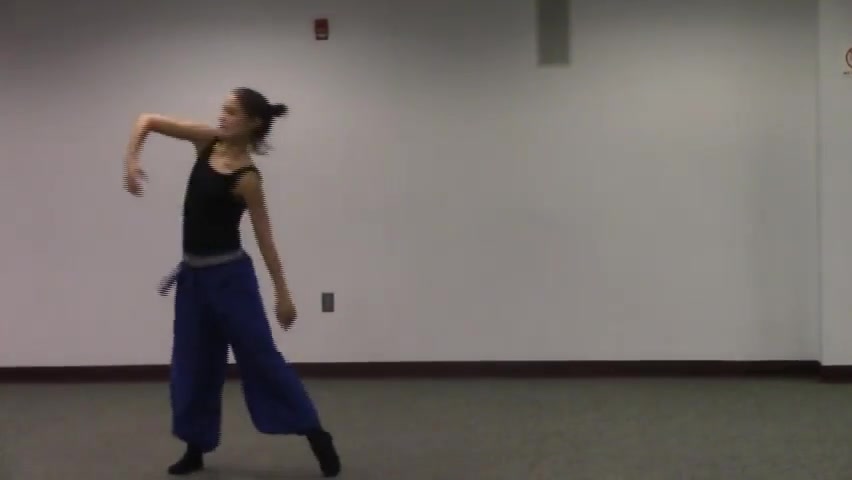 15min 19sec Original Jucovy works
 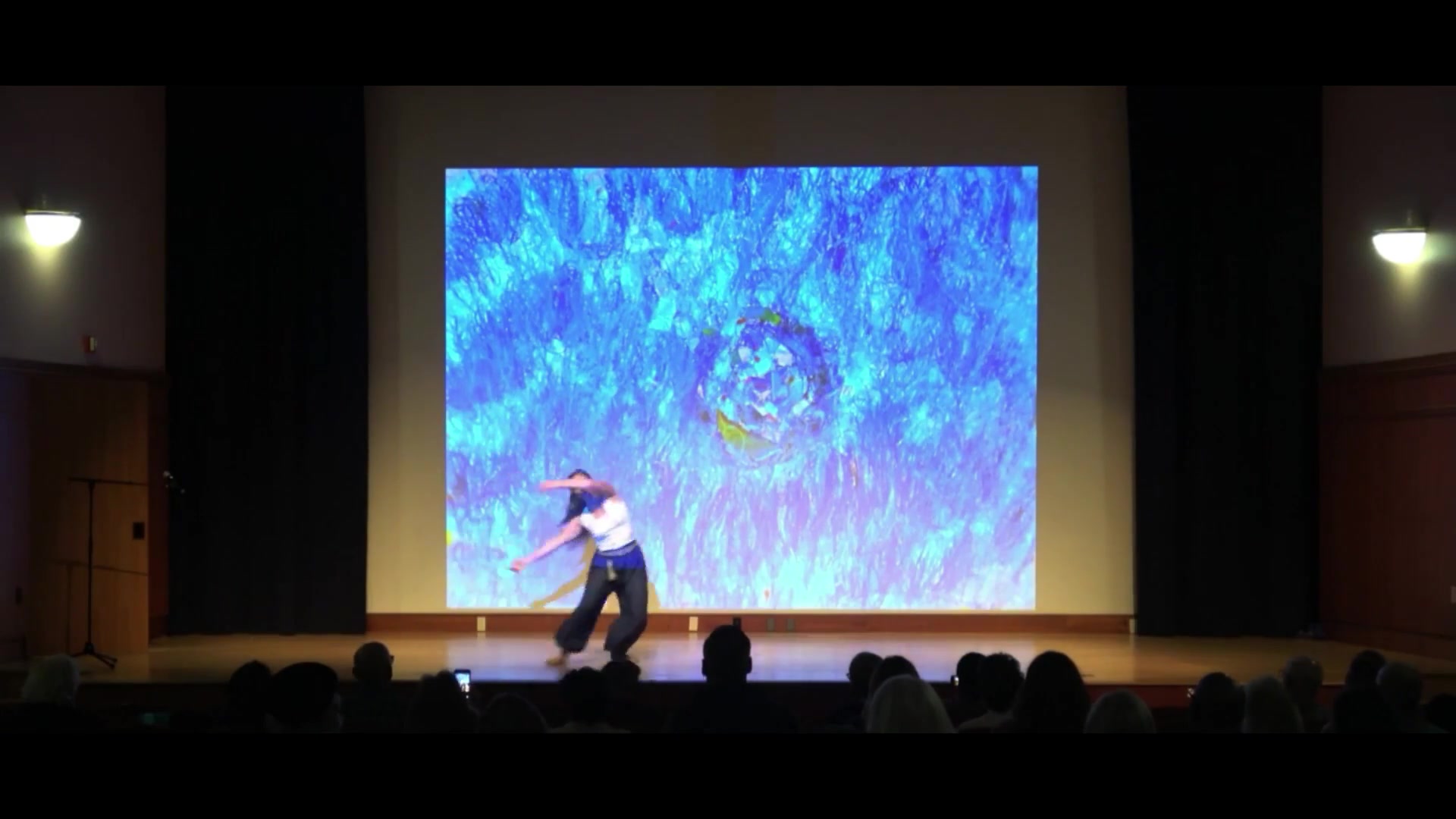 15min 33sec Original Jucovy works
 Art & Music in Motion
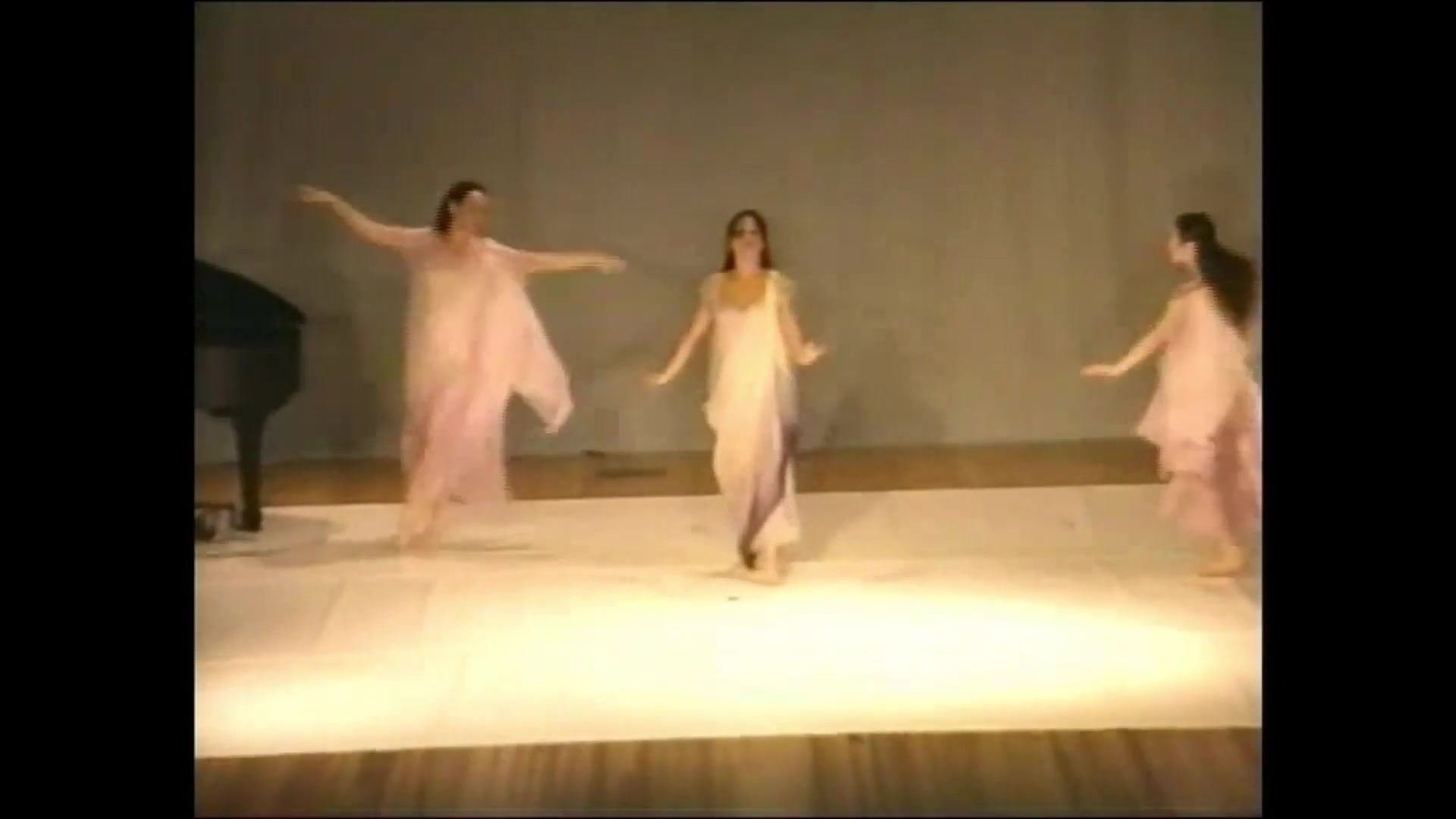 1min 34sec
 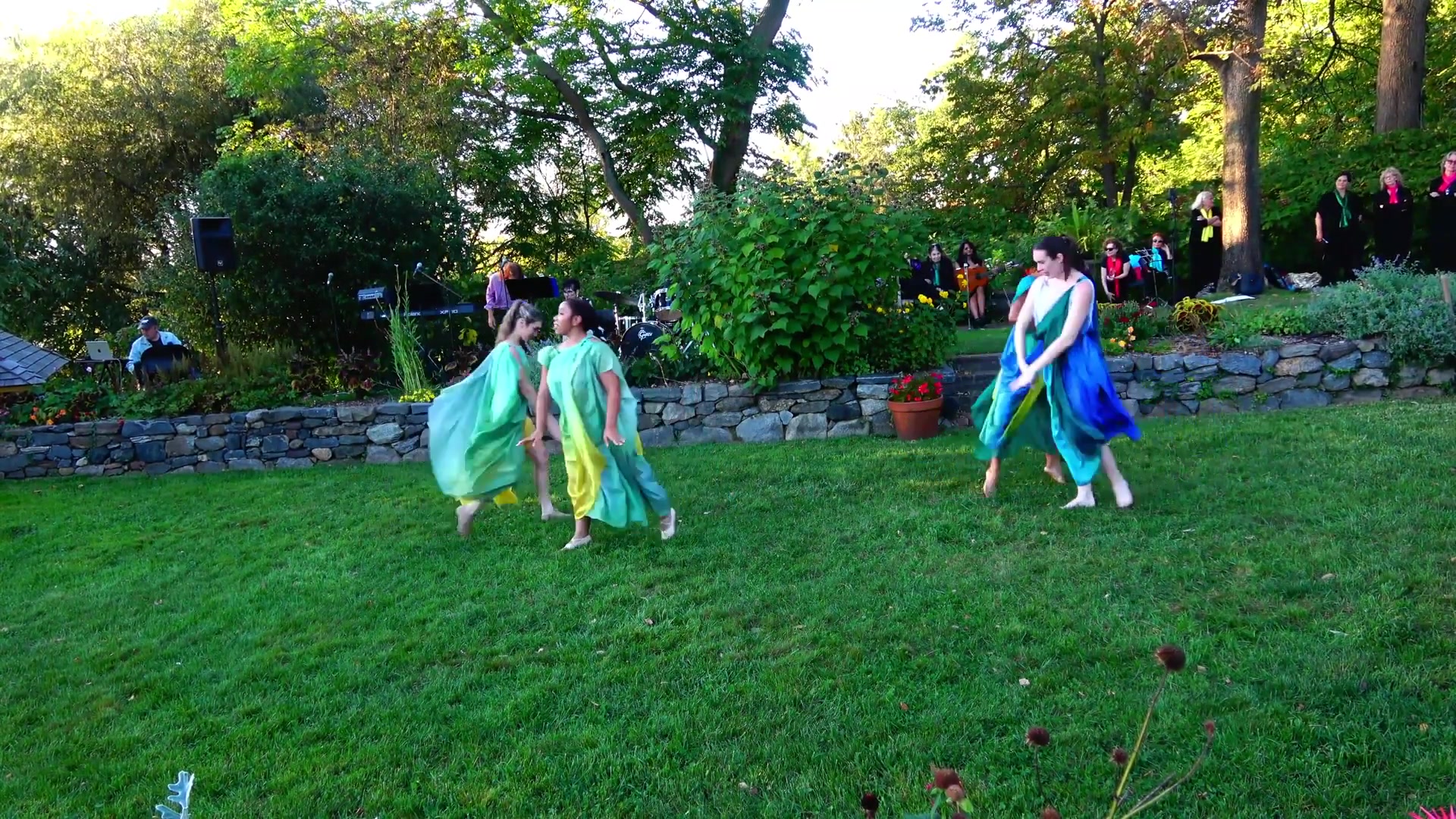 4min 38sec
 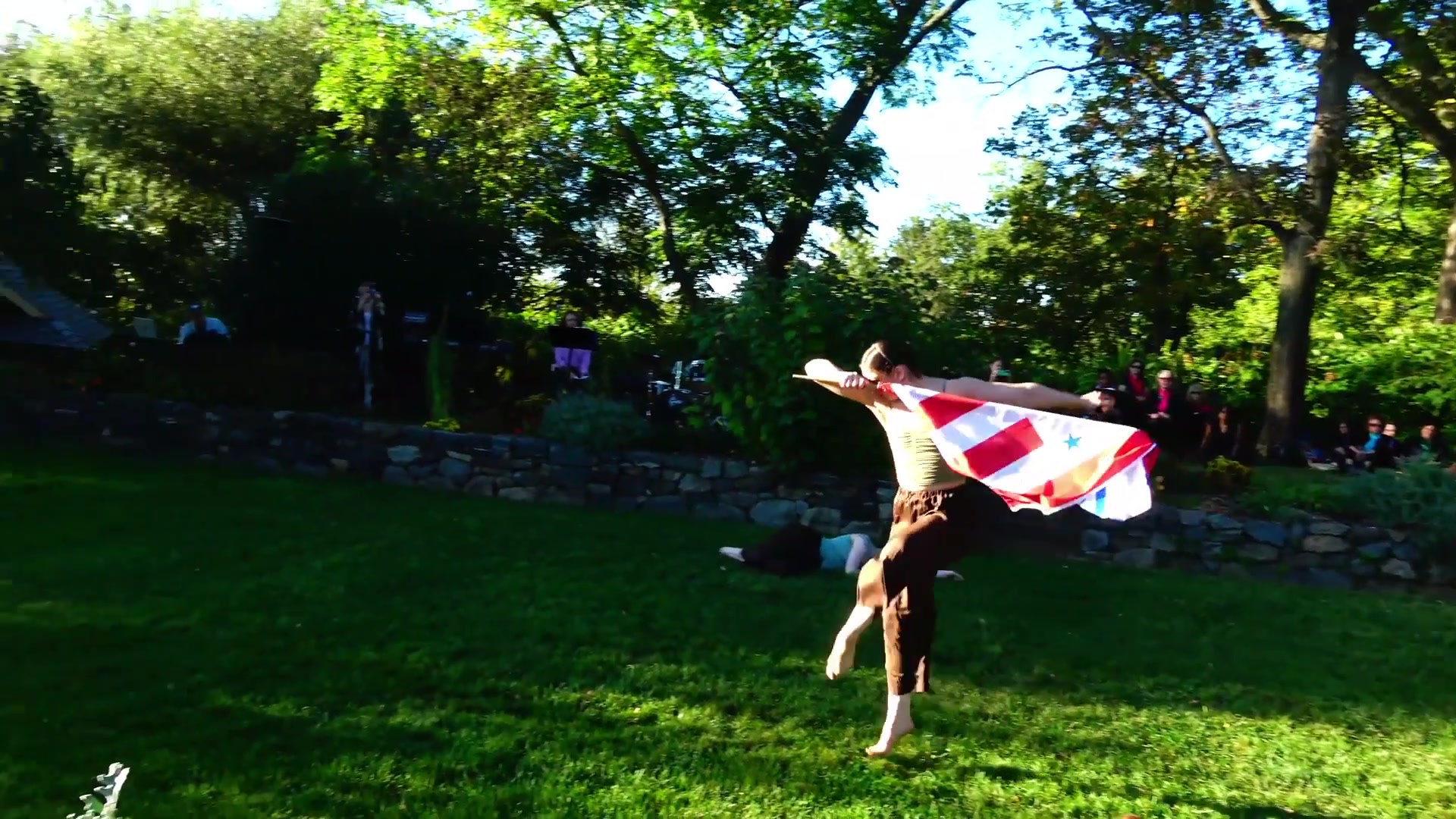 3min 42sec
 The Body Resilient
 1:23:40
  1:02:31
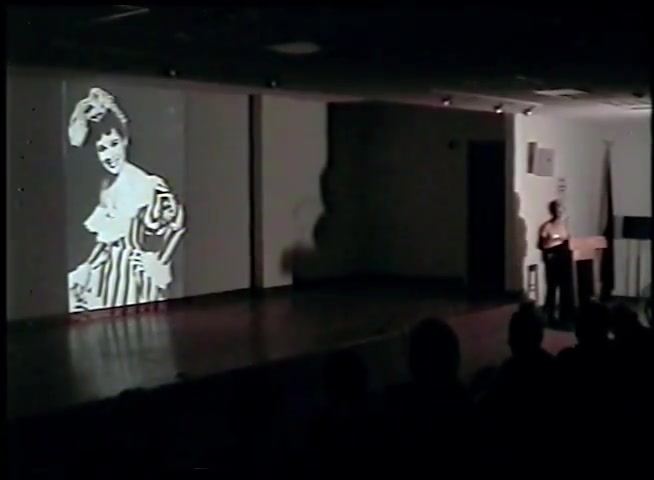
 Visionaries, Revolutionary and Mavericks; a Century of Modern Dance at Long Beach Library
 5min 18sec Other Contemporary works
 The Body Resilient
 1:21:57
  1:10:11
  3min 49sec
 Leonard Lehrman's 25th Anniviersary Concert